
Snoring is often dismissed as a minor annoyance, but it can be a sign of underlying health issues that require attention. In Dhaka, where busy lifestyles and environmental factors like air pollution can exacerbate sleep problems, understanding the health risks associated with snoring is crucial. The ENT Care Center in Dhaka offers specialized diagnostics, such as sleep study labs, to help identify and treat snoring-related conditions. Below, we explore the key health risks of snoring and what it might indicate about your well-being.
Snoring Isn’t Always Harmless — Why It Matters
While occasional snoring may be benign, chronic snoring can signal serious health conditions. Snoring occurs when airflow through the mouth and nose is partially obstructed during sleep, causing the tissues in the throat to vibrate. This obstruction can stem from nasal congestion, excess throat tissue, or relaxed airway muscles. Left unaddressed, snoring can lead to complications that affect your overall health, making it essential to recognize when it’s more than just a nuisance.
How Snoring Affects Your Sleep Quality
Snoring disrupts the natural sleep cycle, preventing you from achieving deep, restorative sleep. Frequent awakenings, even if brief, reduce the time spent in REM sleep, which is critical for physical and mental recovery. Poor sleep quality can leave you feeling unrested, irritable, and less productive. At the ENT Care Center, sleep studies can pinpoint how snoring impacts your sleep architecture and guide targeted treatments to improve rest.
The Link Between Snoring and Sleep Apnea
One of the most serious conditions linked to snoring is obstructive sleep apnea (OSA), a disorder where the airway repeatedly collapses during sleep, causing pauses in breathing. Loud, persistent snoring, often accompanied by gasping or choking sounds, is a hallmark of OSA. This condition increases the risk of other health issues and requires professional evaluation. In Dhaka, advanced sleep study labs, like those at the ENT Care Center, use polysomnography to diagnose sleep apnea accurately.
Snoring and Your Heart Health
Chronic snoring, particularly when associated with sleep apnea, puts significant strain on the cardiovascular system. The repeated drops in oxygen levels during sleep can stress the heart, increasing the risk of heart disease, heart attacks, and strokes. Studies show that untreated sleep apnea is linked to a higher likelihood of developing cardiovascular problems. Regular checkups with an ENT specialist can help identify snoring-related risks to your heart health early.
How Snoring Can Increase Blood Pressure
Snoring and sleep apnea can contribute to hypertension (high blood pressure). The frequent interruptions in breathing cause the body to release stress hormones, which elevate blood pressure over time. This is particularly concerning for residents of Dhaka, where urban stress and pollution already contribute to cardiovascular risks. Monitoring and treating snoring can help manage blood pressure and reduce related health complications.
Snoring and Daytime Fatigue or Poor Focus
The fragmented sleep caused by snoring often leads to daytime fatigue, difficulty concentrating, and reduced cognitive performance. This can affect work, relationships, and overall quality of life. If you find yourself feeling excessively tired or struggling to focus during the day, snoring could be the culprit. A consultation with a specialist at a facility like the ENT Care Center can uncover whether snoring is impacting your daily functioning.
Weight Gain and Its Connection to Snoring
Excess body weight, particularly around the neck, can worsen snoring by narrowing the airway. Conversely, snoring and poor sleep quality can disrupt hormones that regulate appetite, leading to weight gain. This creates a vicious cycle where weight gain exacerbates snoring, and snoring further disrupts sleep, making weight management harder. Lifestyle changes and medical interventions, such as those offered by ENT specialists, can break this cycle.
When Snoring Signals Breathing Problems
Snoring can indicate underlying breathing issues, such as nasal obstructions, enlarged tonsils, or a deviated septum. These structural problems can restrict airflow, leading to louder snoring and potential health risks. In Dhaka, advanced treatments like endoscopic sinus surgery or tonsillectomy, available at top ENT hospitals, can address these issues effectively, improving breathing and reducing snoring.
How Snoring Impacts Your Partner’s Sleep
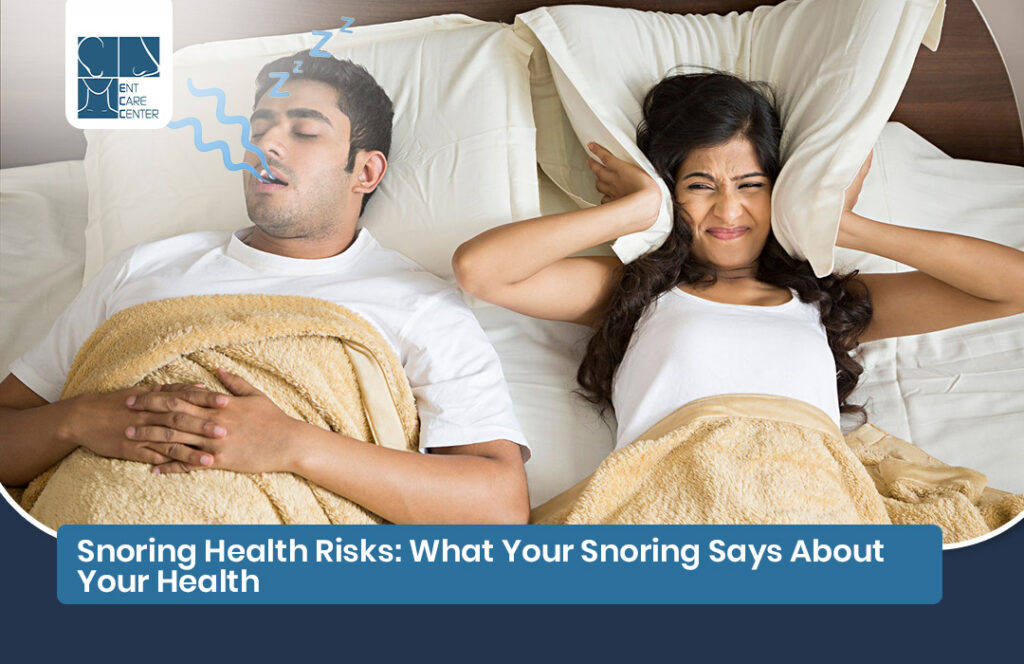
Snoring doesn’t just affect the snorer—it can significantly disrupt a partner’s sleep, leading to their own fatigue, irritability, or strained relationships. Partners may experience secondhand effects of poor sleep, such as reduced productivity or mood changes. Addressing snoring through professional care benefits both the individual and their loved ones, creating a healthier sleep environment for everyone.
When to See a Doctor About Your Snoring
If snoring is loud, persistent, or accompanied by symptoms like daytime fatigue, gasping during sleep, or difficulty concentrating, it’s time to seek medical advice. Other red flags include morning headaches, high blood pressure, or a partner noticing pauses in your breathing. In Dhaka, ENT specialists like Dr. M. Muinul Hafiz at the ENT Care Center offer comprehensive evaluations, including sleep studies and tailored treatments like CPAP therapy, surgery, or lifestyle interventions.
Take Control of Your Health
Snoring is more than an inconvenience—it’s a potential warning sign of serious health issues. By recognizing the risks and seeking timely care, you can improve your sleep, protect your heart, and enhance your overall well-being. Visit a trusted ENT facility in Dhaka, such as the ENT Care Center in Gulshan, for expert diagnosis and treatment. Learn more at ENT Care Center and schedule a consultation to address your snoring today.