
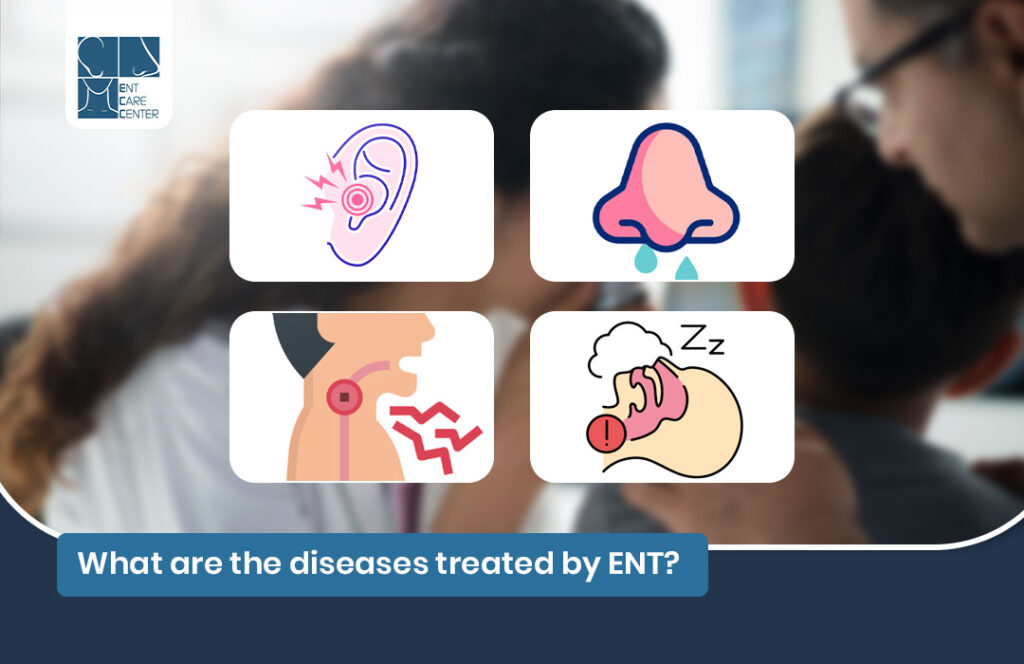
ENT (Ear, Nose, and Throat) specialists, also known as Otorhinolaryngologists, treat more than 100 different diseases and conditions. From simple ear wax to life-threatening head and neck cancers, ENT doctors manage problems affecting hearing, breathing, voice, smell, taste, swallowing, and balance.
What Are ENT Diseases?
ENT diseases are medical conditions that affect the ear, nose, sinuses, throat (pharynx), voice box (larynx), mouth, salivary glands, thyroid, and neck. They can be caused by infections, allergies, trauma, tumors, congenital issues, or nerve problems.
How Many Types of ENT Diseases Are There?
While there is no fixed number, ENT conditions are usually grouped into six major categories:
- Ear (Otology)
- Nose & Sinuses (Rhinology)
- Throat & Voice (Laryngology)
- Head & Neck Tumors (Oncology)
- Pediatric ENT (Children-specific)
- Facial Plastic & Reconstructive Surgery
ENT Diseases by Category (Ear, Nose, Throat)
Category | Common Diseases & Conditions |
Ear | Ear infections (otitis media, otitis externa), ear wax blockage, hearing loss (conductive & sensorineural), tinnitus (ringing), vertigo/dizziness, eardrum perforation, cholesteatoma, otosclerosis |
Nose & Sinuses | Allergic rhinitis, non-allergic rhinitis, sinusitis (acute & chronic), nasal polyps, deviated nasal septum, nosebleeds (epistaxis), loss of smell (anosmia), nasal tumors |
Throat & Voice | Tonsillitis, pharyngitis, laryngitis, voice disorders (hoarseness), vocal cord nodules/polyps, swallowing difficulty (dysphagia), GERD/LPR (reflux), snoring & sleep apnea, adenoid hypertrophy |
Head & Neck | Thyroid nodules & cancer, salivary gland stones/tumors, neck lumps, oral & throat cancers, lymph node enlargement |
Pediatric ENT | Recurrent ear infections, glue ear, tongue-tie, enlarged tonsils/adenoids causing sleep apnea, congenital hearing loss |
Others | Facial nerve paralysis (Bell’s palsy), tumors of the skull base, CSF rhinorrhea |
The Four Most Common ENT Infections
- Acute Otitis Media (middle ear infection) – especially in children
- Sinusitis (bacterial or viral)
- Tonsillitis / Pharyngitis (sore throat)
- Otitis Externa (swimmer’s ear)
These four account for more than 80% of ENT clinic visits worldwide.
Most Frequent ENT Problems in Adults
- Allergic rhinitis & sinusitis
- Hearing loss & tinnitus (age-related or noise-induced)
- Acid reflux affecting the throat (Laryngopharyngeal reflux)
- Chronic cough & hoarseness
- Snoring and obstructive sleep apnea
- Ear wax impaction
- Deviated nasal septum
- Thyroid swelling (goiter)
Which Medicine Is Best for ENT Problems?
There is no single “best” medicine — treatment depends on the diagnosis:
Condition | First-Line Medicines |
Allergic rhinitis | Antihistamines + nasal steroid spray (e.g., Fluticasone) |
Bacterial sinusitis | Amoxicillin-Clavulanate or Cefuroxime |
Ear infection (bacterial) | Amoxicillin or Amoxicillin-Clavulanate |
Viral sore throat | Supportive only (no antibiotic) |
Acid reflux (LPR) | PPI (Omeprazole, Esomeprazole) + lifestyle changes |
Ear wax | Wax-dissolving drops (sodium bicarbonate or olive oil) |
Warning: Antibiotics do NOT work for viral infections or allergies. Unnecessary use causes resistance.
ENT Treatment Methods and Procedures
Non-Surgical (Medical) | Minor Office Procedures | Major Surgical Procedures |
Antibiotics, nasal sprays | Ear wax removal under microscope | Tonsillectomy & adenoidectomy |
Antihistamines, steroid sprays | Nasal endoscopy & biopsy | Endoscopic sinus surgery (FESS) |
Reflux medications (PPI) | Foreign body removal (nose/ear/throat) | Septoplasty / turbinate reduction |
Hearing aids | Ear tube (grommet) insertion in clinic | Tympanoplasty (eardrum repair) |
Allergy immunotherapy | Intratympanic steroid injection for sudden hearing loss | Thyroidectomy, neck dissection for cancer |
Voice therapy | Cauterization for nosebleeds | Microlaryngeal surgery for vocal cord lesions |
When Medications Are Enough vs When Surgery Is Needed
Condition | Usually Treated with Medicine Alone | Surgery Usually Required |
First episode of sinusitis | Yes (antibiotics + nasal spray) | Only if complications (e.g., abscess) |
Allergic rhinitis | Yes (long-term sprays & antihistamines) | Rarely (if huge polyps or severe septum deviation) |
Recurrent ear infections in kids | First try medicines + observation | Ear tubes (grommets) if ≥4–6 infections/year or persistent fluid |
Snoring / mild sleep apnea | Lifestyle changes + CPAP trial | Surgery (tonsillectomy, UPPP) if severe or CPAP fails |
Tonsillitis | Antibiotics for bacterial; most viral cases resolve alone | Tonsillectomy if ≥7 episodes in 1 year or breathing obstruction |
Hearing loss | Hearing aids for sensorineural loss | Cochlear implant if profound loss |
Final Message from ENT Care Center
ENT specialists treat everything from the simplest ear cleaning to complex cancer surgery. Most conditions are not life-threatening when caught early, but delaying care can lead to permanent hearing loss, chronic pain, or even spread of cancer.
If you or your family member has any persistent symptom lasting more than 2–3 weeks — ear pain, blocked nose, sore throat, hoarseness, hearing difficulty, or neck swelling — don’t self-medicate endlessly.
Visit a qualified ENT specialist for proper diagnosis and the right treatment.
Book your consultation today at ENT Care Center Bangladesh — your ears, nose, throat, and peace of mind deserve expert care!