
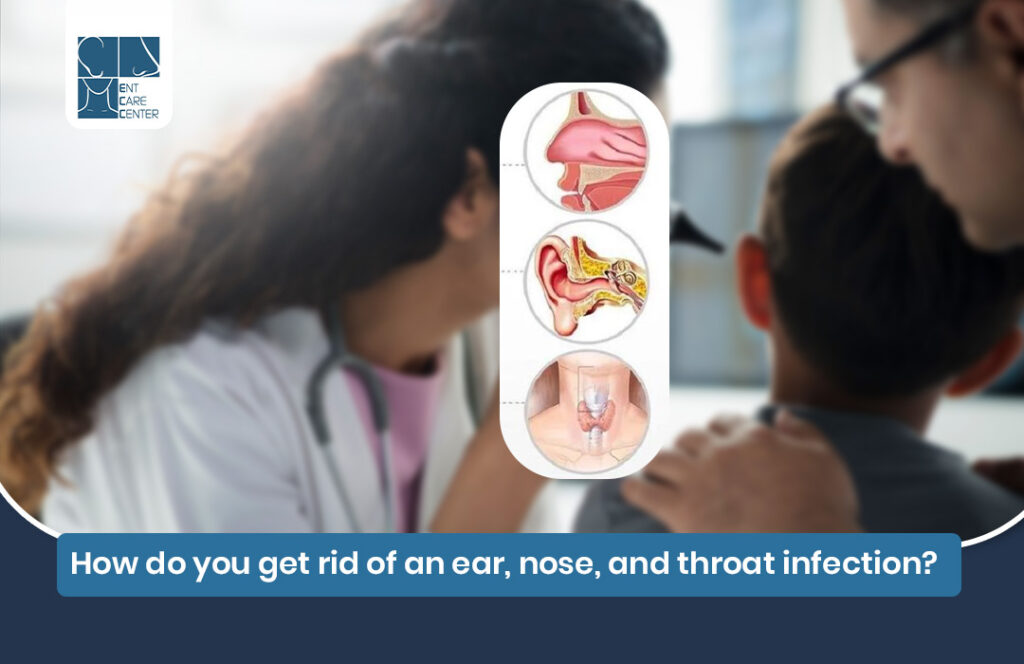
Ear, nose, and throat (ENT) infections are common ailments that can disrupt daily life, causing discomfort like pain, congestion, and fatigue. Whether it’s a nagging earache, a stuffy nose, or a sore throat, these infections often stem from viruses, bacteria, or allergies. The good news? Most can be managed effectively at home or with medical guidance. In this comprehensive guide, we’ll explore proven strategies to alleviate symptoms, treat specific issues, and prevent future occurrences. Remember, while home remedies offer quick relief, persistent symptoms warrant a visit to an ENT specialist for personalized care.
How Do You Get Rid of an Ear, Nose, and Throat Infection?
Treating an ENT infection starts with identifying the cause—bacterial infections may require antibiotics, while viral ones often resolve with supportive care. General steps include:
- Rest and Hydration: Give your body time to heal by staying hydrated and resting. Warm fluids like herbal tea can soothe inflammation.
- Over-the-Counter (OTC) Remedies: Use pain relievers such as ibuprofen or acetaminophen to reduce fever and swelling. Decongestants like pseudoephedrine can ease nasal blockage, but consult a doctor if you have high blood pressure.
- Humidification: A humidifier or steam from a hot shower adds moisture to the air, preventing dryness that worsens symptoms.
- Saltwater Gargles and Nasal Irrigation: For throat and nose relief, gargle with warm saltwater (1/2 teaspoon salt in 8 oz water) or use a neti pot with saline solution to flush out irritants.
- When to Seek Help: If symptoms last over a week, include high fever (>101°F), severe pain, or breathing difficulties, see an ENT doctor promptly to rule out complications like sinusitis or abscesses.
Early intervention can shorten recovery time from days to hours for mild cases.
How Do You Treat an Ear Infection While Pregnant?
Pregnancy complicates ENT treatments due to potential risks to the fetus, so caution is key. Always consult your obstetrician or ENT specialist before starting any remedy.
- Safe Pain Management: Acetaminophen is generally considered safe in moderation; avoid aspirin or ibuprofen, especially in the third trimester, as they may affect fetal development.
- Warm Compresses: Apply a warm cloth to the ear for 10-15 minutes several times a day to ease pain without medications.
- Positional Relief: Elevate your head while sleeping to reduce pressure buildup in the ears.
- Antibiotics if Needed: If bacterial (like acute otitis media), your doctor may prescribe pregnancy-safe options such as amoxicillin after confirming the diagnosis via exam.
- Avoid Ear Drops: Over-the-counter drops often contain ingredients unsuitable for pregnancy; opt for doctor-recommended alternatives.
Studies from the American College of Obstetricians and Gynecologists emphasize non-pharmacological approaches first, with about 80% of pregnancy-related ear infections resolving without antibiotics.
Can You Have an Ear, Nose, and Throat Infection at the Same Time?
Yes, it’s entirely possible—and quite common—to experience simultaneous ENT infections, often termed “upper respiratory infections” (URIs). The interconnected anatomy of the ear, nose, and throat via the Eustachian tube and sinuses allows infections to spread easily.
- Common Causes: Viruses like rhinovirus (common cold) or bacteria like Streptococcus can trigger a cascade: a nasal infection leads to post-nasal drip irritating the throat, while Eustachian tube blockage causes ear pressure.
- Symptoms Overlap: Look for ear fullness, nasal discharge, sore throat, cough, and fatigue. In children, this triad affects up to 50% of URI cases.
- Diagnosis: An ENT exam, possibly with imaging, distinguishes viral from bacterial origins.
Addressing the root (e.g., via antivirals for flu) prevents escalation to chronic issues like otitis media with effusion.
How to Clear Ears, Nose, and Throat?
Clearing congestion restores comfort and function. Here’s a step-by-step approach:
- Nose: Use saline sprays or rinses (e.g., NeilMed Sinus Rinse) 2-3 times daily to expel mucus. Steam inhalation with eucalyptus oil can open passages.
- Ears: Try the Valsalva maneuver—pinch nostrils, close mouth, and gently blow out while keeping cheeks relaxed—to pop ears. Avoid forceful blowing to prevent damage.
- Throat: Lozenges with menthol or honey soothe irritation; avoid menthol if under 2 years old due to choking risk.
- Holistic Tip: Elevate your head 30 degrees at night to promote drainage.
Consistent use can clear symptoms in 24-48 hours for non-severe cases.
What Is the Fastest Way to Cure an Ear Infection?
For rapid ear infection relief, combine home care with medical input—full cures depend on the type, but symptoms can improve in hours.
- Heat Therapy: A warm compress or heating pad on low for 20 minutes reduces pain by boosting blood flow.
- Pain Relievers: Ibuprofen targets inflammation effectively; take as directed (e.g., 400mg every 6 hours for adults).
- Antibiotics for Bacterial Cases: Amoxicillin or azithromycin can resolve infection in 48-72 hours if prescribed.
- Natural Boost: Garlic oil drops (warmed) have antimicrobial properties, but dilute and test for allergies.
The CDC notes that 70% of uncomplicated ear infections in adults clear without antibiotics in 2-3 days, but kids under 2 often need them faster.
What Is the Fastest Way to Cure a Throat Infection?
Throat infections (pharyngitis) respond quickly to targeted relief, often within 24 hours.
- Gargling and Lozenges: Saltwater gargles every 2 hours, paired with numbing lozenges like Cepacol, provide instant soothing.
- Hydration and Honey: Warm lemon-honey tea coats the throat; honey’s antibacterial effects (proven in studies) speed viral recovery.
- OTC Meds: Lozenges with benzocaine numb pain; for strep throat (bacterial), antibiotics like penicillin cure in 24 hours.
- Humid Air: A cool-mist humidifier prevents dryness, accelerating healing.
Viral sore throats self-resolve in 3-7 days, but bacterial ones demand prompt antibiotics to avoid rheumatic fever.
Safe ENT Treatments During Pregnancy
Beyond ear-specific advice, prioritize these pregnancy-safe ENT strategies:
- Nasal Care: Sterile saline drops or guaifenesin (e.g., Mucinex) for congestion—avoid decongestant sprays like Afrin.
- Throat Soothers: Plain honey or saltwater; steer clear of herbal supplements unvetted for pregnancy.
- Allergy Management: Antihistamines like loratadine (Claritin) are Category B (safe in studies).
- Professional Guidance: ENT procedures like minor debridement are low-risk if necessary.
The FDA classifies many OTC ENT meds as safe, but always cross-check with your provider.
Managing Multiple ENT Infections Together
When infections hit all fronts, a unified approach prevents rebound issues:
- Symptom Mapping: Track which area flares first—nasal often triggers others.
- Integrated Remedies: Use a single humidifier for all; alternate warm compresses between ears and throat.
- Medications: Broad-spectrum antibiotics if bacterial; antivirals like oseltamivir for flu-related clusters.
- Lifestyle Tweaks: Avoid irritants like smoke; incorporate anti-inflammatory foods (e.g., ginger, turmeric).
Holistic management reduces overall duration by 20-30%, per ENT guidelines.
Fast Relief Methods for Ear and Throat Pain
For immediate comfort:
- Ear: Chewing gum or yawning opens Eustachian tubes; over-the-counter ear drops with antipyrine for pain.
- Throat: Ice chips or popsicles numb swelling; chloraseptic spray for targeted relief.
- Combo Hack: Alternate ibuprofen and acetaminophen every 4 hours (under doctor advice) for sustained effect.
These methods can cut pain by half in under 30 minutes.
Preventive Tips for Avoiding ENT Infections
Prevention is simpler than cure—build these habits:
- Hygiene First: Wash hands frequently; use alcohol-based sanitizer in public.
- Vaccinations: Stay current on flu, pneumococcal, and COVID shots to block viral entry.
- Environmental Controls: Use HEPA filters for allergies; quit smoking to protect mucosal linings.
- Diet and Immunity: Load up on vitamin C-rich foods (citrus, berries) and probiotics for gut-throat axis health.
- Seasonal Prep: During cold months, nasal saline rinses daily ward off invaders.
Consistent prevention slashes infection risk by up to 50%, according to WHO data.
ENT infections don’t have to sideline you. By blending these evidence-based tips with professional advice, you can reclaim comfort swiftly. For tailored care in Bangladesh, consider consulting specialists at centers like ENT Care Center. If symptoms escalate, don’t delay—your ears, nose, and throat will thank you!