
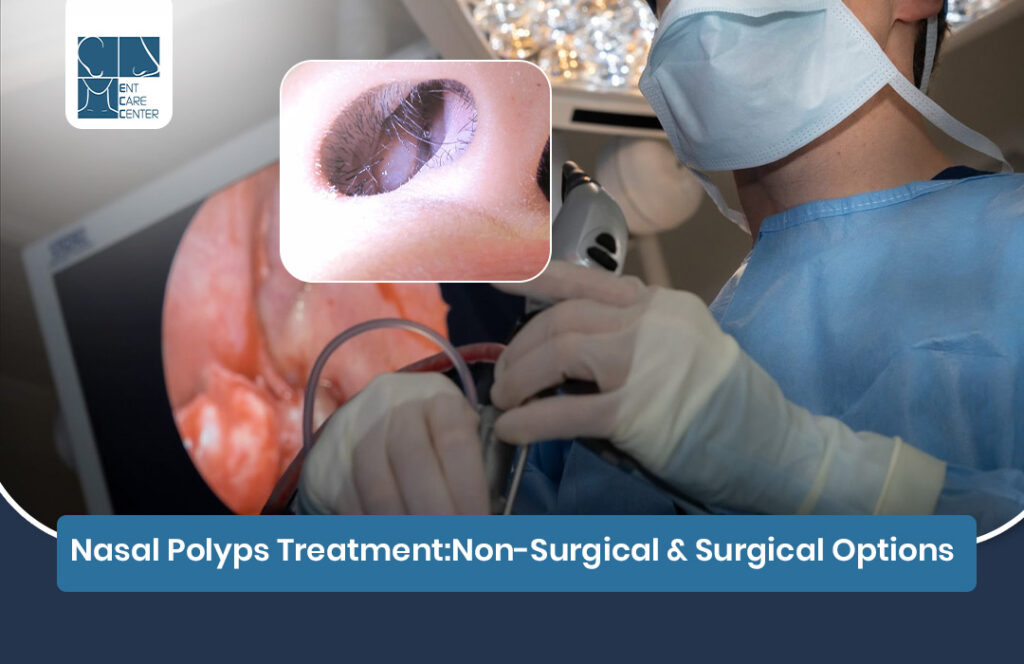
Nasal polyps are soft, painless, non-cancerous growths that arise from the inflamed lining of the nasal passages or paranasal sinuses. They can significantly impair nasal breathing, smell, and sinus drainage, often leading to chronic sinusitis. While benign, they tend to recur without proper management of underlying inflammation. Advances in medical therapies, including biologics, and minimally invasive surgical techniques have dramatically improved outcomes, allowing many patients to achieve long-term symptom control and avoid repeated interventions.
What Are Nasal Polyps? — Definition & Overview
Nasal polyps are pedunculated or sessile growths originating from the ethmoid sinuses or nasal mucosa, characterized by edematous stroma infiltrated with inflammatory cells, predominantly eosinophils in most Western populations. They appear as pale, translucent, grape-like structures that hang into the nasal cavity. Polyps can be unilateral (raising concern for other pathology) or bilateral (typical of inflammatory conditions).
Small polyps are often asymptomatic, but larger ones or multiple polyps (polyposis) obstruct airflow, block sinus ostia, and impair mucociliary clearance. Severe cases can lead to broadening of the nasal bridge (frog-face deformity) or proptosis if polyps extend into the orbit (rare).
Common Causes of Nasal Polyps
Nasal polyps result from chronic type 2 inflammation of the sinonasal mucosa. Established associations include:
- Chronic rhinosinusitis with nasal polyps (CRSwNP) — the most common presentation
- Aspirin-exacerbated respiratory disease (AERD, or Samter’s triad: polyps + asthma + NSAID intolerance)
- Allergic fungal rhinosinusitis (AFRS) — hypersensitivity to fungi without invasion
- Cystic fibrosis — nearly universal bilateral polyposis in CF patients
- Primary ciliary dyskinesia and other mucociliary disorders
- Eosinophilic granulomatosis with polyangiitis (EGPA/Churg-Strauss) and other vasculitides
Genetic predisposition and environmental triggers (e.g., staphylococcal superantigens) further perpetuate the inflammatory cycle.
Risk Factors & Who Is Most Likely to Develop Them
Key risk factors include:
- Adult-onset asthma or poorly controlled asthma
- Allergic rhinitis (though allergies alone rarely cause polyps)
- Aspirin or NSAID sensitivity
- Family history of nasal polyposis
- Age 30–60 (peak incidence); rare in children except with cystic fibrosis
- Male predominance (approximately 2:1)
- Smoking and exposure to airborne irritants
- Immune dysregulation conditions
Patients with eosinophilic asthma or high blood eosinophil counts are particularly prone to extensive polyposis.
Symptoms of Nasal Polyps
Symptoms are often insidious and progressive:
- Bilateral nasal obstruction or congestion
- Persistent rhinorrhea and post-nasal drip
- Hyposmia (reduced smell) or anosmia (complete loss) — often the most bothersome symptom
- Altered or loss of taste
- Facial pressure, pain, or fullness over sinuses
- Chronic or recurrent sinus infections
- Headaches (especially frontal)
- Snoring, mouth breathing, and associated sleep disturbance
- Reduced quality of life, fatigue, and depression from chronic symptoms
Loss of smell can be profound and persistent, significantly impacting appetite and safety (inability to detect smoke/gas).
How ENT Specialists Diagnose Nasal Polyps
Diagnosis combines clinical evaluation and targeted investigations:
- Thorough history including asthma, NSAID sensitivity, and smell disturbance
- Anterior rhinoscopy — may reveal large polyps
- Nasal endoscopy (office-based flexible nasendoscopy) — essential for visualizing smaller or posterior polyps
- CT scan of paranasal sinuses — assesses extent of disease, sinus opacification, and bony changes; Lund-Mackay scoring quantifies severity
- Allergy testing (skin prick or specific IgE)
- Smell identification tests (e.g., UPSIT) to quantify olfactory deficit
- Blood tests for eosinophilia or total IgE
- Biopsy (rarely needed) if unilateral, atypical, or suspicious for inverted papilloma/tumor
Staging systems (e.g., endoscopic score, SNOT-22 quality-of-life questionnaire) guide treatment and monitor response.
Non-Surgical Treatment Options
Medical management aims to reduce inflammation, shrink polyps, and restore sinus drainage:
- Nasal saline irrigation (high-volume, low-pressure) — clears mucus, allergens, and inflammatory mediators
- Intranasal corticosteroids (INCS) sprays or drops (budesonide, mometasone, fluticasone furoate) — first-line therapy; reduce polyp size and recurrence
- Off-label high-volume steroid irrigation (budesonide or betamethasone rinses)
- Short bursts of systemic corticosteroids (oral prednisone or intramuscular triamcinolone) — rapidly shrink large polyps and improve smell
- Treatment of comorbidities: antihistamines, immunotherapy for allergies; proton-pump inhibitors for reflux
Consistent adherence to INCS significantly delays recurrence.
Medications for Nasal Polyps
Recent advances have expanded options for refractory disease:
- Biologic agents (monoclonal antibodies):
- Dupilumab (anti-IL-4Rα) — first FDA-approved biologic for CRSwNP; dramatically reduces polyp size, restores smell, and decreases need for surgery/systemic steroids
- Omalizumab (anti-IgE) — effective in patients with comorbid asthma and high IgE
- Mepolizumab and benralizumab (anti-IL-5) — target eosinophilic inflammation
- Leukotriene receptor antagonists (montelukast) — adjunctive benefit in AERD
- Long-term low-dose macrolides (e.g., clarithromycin) — anti-inflammatory effects in non-eosinophilic phenotypes
- Aspirin desensitization — for AERD patients; reduces polyp regrowth and asthma exacerbations
Biologics have transformed management of severe, recurrent polyposis, often achieving near-complete remission.
Surgical Treatment Options
Surgery is reserved for:
- Failure of maximal medical therapy
- Severe obstruction causing complications
- Recurrent infections or significant quality-of-life impairment
Functional Endoscopic Sinus Surgery (FESS) with polypectomy is the standard:
- Minimally invasive, endoscope-guided removal of polyps and opening of obstructed sinuses
- May include partial or total ethmoidectomy, middle turbinate medialization, or maxillary antrostomy
- Image-guided navigation for complex anatomy or revision cases
- Microdebrider or through-cutting instruments preserve mucosa and reduce bleeding
Post-operative care is critical: daily saline rinses, topical steroids, and regular debridement to prevent adhesions and recurrence. Revision surgery rates have decreased with better medical control.
Prevention & Management Tips
Recurrence prevention focuses on inflammation control:
- Lifelong use of intranasal corticosteroids and saline irrigation
- Aggressive management of asthma, allergies, and AERD
- Smoking cessation and avoidance of irritants
- Prompt treatment of upper respiratory infections
- Regular ENT follow-up with endoscopy (every 3–12 months initially)
- Consideration of biologics early in severe/recurrent cases
- Dietary modifications if food triggers identified
Patient education and adherence are key to long-term success.
Long-Term Outlook After Treatment
Outcomes have improved significantly:
- Medical therapy alone controls symptoms in 60–80% of mild-moderate cases
- FESS provides immediate symptom relief in >90%, with sustained benefit when combined with ongoing medical therapy
- Recurrence rates historically 40–60% within 3–5 years, but reduced to <20% with biologics and rigorous post-op care
- Sense of smell recovery varies: early intervention yields better results (up to 70–80% improvement with dupilumab)
- Quality-of-life scores (SNOT-22) improve dramatically with successful treatment
Multimodal therapy (medical + surgical when needed + biologics for refractory cases) offers the best long-term control. Early referral to an ENT specialist experienced in chronic rhinosinusitis ensures optimal outcomes and preservation of smell and sinus health.
If you are experiencing persistent nasal congestion, loss of smell, or recurrent sinus issues, seek evaluation promptly—effective, personalized treatments can restore clear breathing and quality of life.