
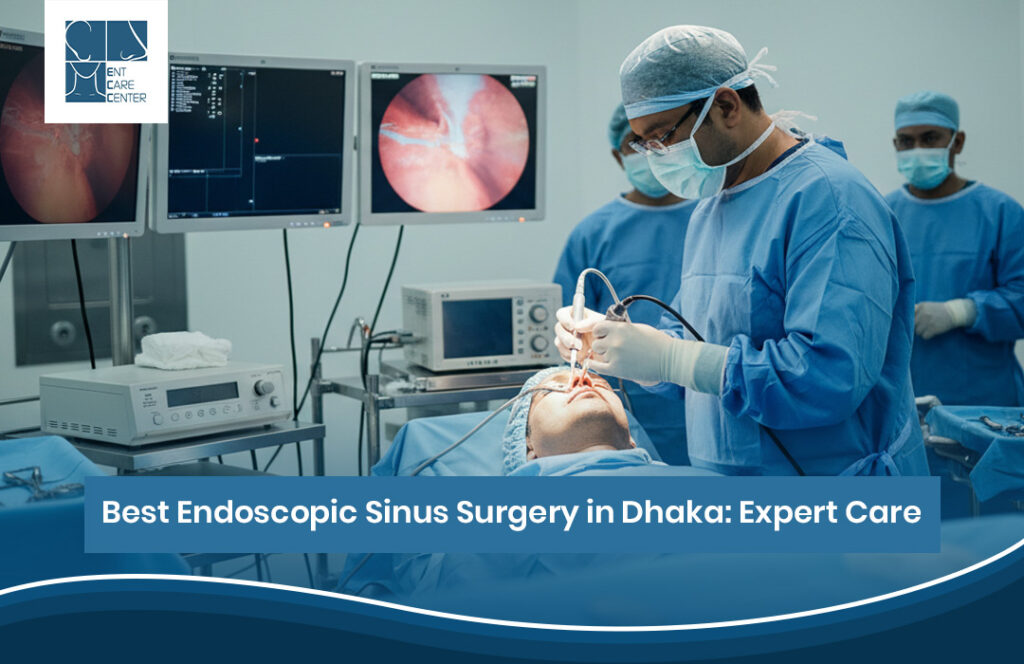
Functional Endoscopic Sinus Surgery (FESS) is the preferred modern treatment for chronic sinus diseases in Dhaka, offering minimally invasive access to the sinuses through the nostrils using a high-definition endoscope. This procedure clears blockages, removes polyps or inflamed tissue, and restores natural sinus drainage without external cuts, leading to significant symptom relief in 80-95% of patients based on global and local clinical outcomes. In Dhaka’s advanced private sector, FESS is performed with excellent safety profiles and high success rates at leading facilities, making it a reliable option for those unresponsive to medications.
Introduction to Endoscopic Sinus Surgery
FESS is a keyhole surgery that uses an endoscope (a thin tube with a camera and light) inserted through the nose to visualize and treat sinus passages directly. It focuses on functional restoration—opening natural drainage pathways—rather than radical tissue removal. In Dhaka, top-tier private hospitals and specialized centers routinely perform FESS as day-care or short-stay procedures, often combining it with septoplasty or turbinate reduction when needed. Centers like Evercare Hospital Dhaka (JCI-accredited, known for advanced FESS and related ENT innovations), Green Life Hospital (equipped with microdebriders and HD systems), ENT Care Center (Gulshan, specializing in nasal endoscopic sinus surgery under experts like Dr. M. Muinul Hafiz), United Hospital, Bangladesh Specialized Hospital, and Malleus ENT Specialized Hospital deliver this care with modern protocols.
Common Sinus Conditions Treated
FESS is highly effective for:
- Chronic rhinosinusitis (CRS) — with or without nasal polyps — causing persistent facial pain, congestion, discharge, and reduced smell.
- Recurrent acute sinus infections unresponsive to antibiotics.
- Nasal polyps blocking airways and leading to anosmia (loss of smell) or headaches.
- Fungal ball sinusitis or allergic fungal rhinosinusitis.
- Anatomical issues like concha bullosa, accessory ostia, or Haller cells contributing to obstruction.
- Associated problems such as sinus mucoceles or complications extending to orbits/brain (managed in multidisciplinary setups).
These are common in Dhaka due to high pollution, allergens, and humidity.
Benefits of Endoscopic Surgery over Traditional Methods
FESS surpasses older open techniques (e.g., Caldwell-Luc):
- No facial incisions or scars — entirely intranasal.
- Minimal tissue trauma → less postoperative pain, swelling, and bleeding.
- Quicker recovery — most patients return to work/school in 7-14 days.
- Preserves normal sinus function — focuses on ventilation and mucociliary clearance.
- Lower complication risk — reduced chance of facial numbness, tooth issues, or major bleeding.
- Superior visualization — angled endoscopes and HD cameras allow thorough, precise surgery with lower recurrence rates (often <15% with proper follow-up).
Advanced Technology Used in Sinus Surgery
Dhaka’s leading centers feature:
- HD video endoscopy systems with 4K/HD cameras and angled lenses for complete sinus visualization.
- Powered microdebriders and tissue shavers for controlled, efficient polyp/tissue removal.
- Image-guided navigation systems (CT/MRI fusion) for real-time 3D guidance in complex/revision cases.
- Intraoperative hemostasis tools and suction irrigation to maintain a clear field.
- High-magnification microscopes and powered instruments for precision.
Facilities like Evercare and Green Life incorporate these for enhanced safety and efficacy.
Pre-Surgery Consultation and Preparation
- Evaluation — Includes detailed history, nasal endoscopy, CT paranasal sinuses scan, allergy testing, and sometimes culture/smell assessment.
- Preparation — Optimize medical control (steroids, antibiotics if infected), stop NSAIDs/blood thinners, quit smoking, and complete pre-op blood tests/anesthesia check.
- Counseling — Surgeon discusses risks (rare: bleeding ~1-2%, infection, CSF leak <1%, vision changes), expectations, and alternatives.
Many centers provide patient education sessions or videos.
The Surgical Procedure Explained
Under general anesthesia (typically 1-3 hours):
- Endoscope and instruments inserted via nostrils.
- Diseased mucosa/polyps removed; sinuses widened (e.g., uncinectomy, maxillary antrostomy, ethmoidectomy, frontal/sphenoid access).
- Navigation used for precision in difficult anatomy.
- Bleeding controlled; often no nasal packing (or absorbable only).
- Procedure ends with saline irrigation.
It’s minimally invasive, with most patients discharged same-day or next morning.
Recovery and Post-Operative Care
- Early phase (1-7 days) — Nasal congestion, mild bloody discharge; use saline irrigations, prescribed steroids/antibiotics, avoid blowing nose/straining.
- Follow-up — Clinic visits (weekly initially) for endoscopic cleaning to remove crusts and monitor healing.
- Timeline — Full recovery 4-8 weeks; smell/taste often improves gradually.
- Long-term — Continue allergy control, nasal hygiene; annual check-ups recommended.
Adherence to care reduces revision needs.
Role of Expert ENT Surgeons in Dhaka
Outcomes depend on surgeon expertise:
- Dr. M. Muinul Hafiz (ENT Care Center, Gulshan) — Renowned for nasal endoscopic sinus surgery, micro-ear procedures, with 25+ years and international qualifications (MS ENT, FACS USA).
- Dr. A. F. M. Ekramuddaula (Evercare) — Specialist in FESS, advanced endoscopic techniques (trained in Australia, Austria, Belgium).
- Prof. Dr. Md. Zillur Rahman (Evercare) — Senior consultant with extensive FESS experience.
- Dr. Syeda Sharmin Zamal (Bangladesh Specialized Hospital) — Special training in FESS (Singapore), head-neck surgery.
- Dr. Bashudeb Kumar Saha (Malleus ENT) — Fellow in endoscopic sinus & skull base surgery.
- Dr. Mohammad Rezaul Karim (Green Life) — Expertise in endoscopic sinus surgery.
These surgeons perform high volumes with low complication rates.
Patient Success Stories and Testimonials
Patients frequently report life-changing improvements: restored sense of smell, eliminated facial pressure/headaches, better sleep/breathing, and reduced antibiotic use. Many praise quick recovery, minimal discomfort, and supportive post-op care at top centers. Reviews often highlight “breathing freely for the first time in years” and high satisfaction with expert surgeons.
How to Choose the Best Sinus Surgery Center in Dhaka
- Surgeon credentials — Prioritize rhinologists with dedicated FESS training, fellowships, and high case volume.
- Technology & accreditation — Opt for centers with navigation, HD endoscopy, and accreditations (e.g., JCI at Evercare).
- Comprehensive services — Look for integrated allergy management, pre/post-op care, and follow-up.
- Reputation — Review patient feedback, success rates, and hospital affiliations.
- Location & affordability — Convenient areas (Gulshan, Dhanmondi); costs typically BDT 50,000–150,000 (including hospital fees, varying by complexity/facility).
For ongoing sinus symptoms (persistent blockage, discharge, facial pain, or smell loss), seek prompt specialist evaluation. Expert FESS in Dhaka delivers safe, effective, long-lasting relief—restoring normal sinus health and daily comfort. Contact reputable centers like ENT Care Center or Evercare Hospital for a thorough assessment.