
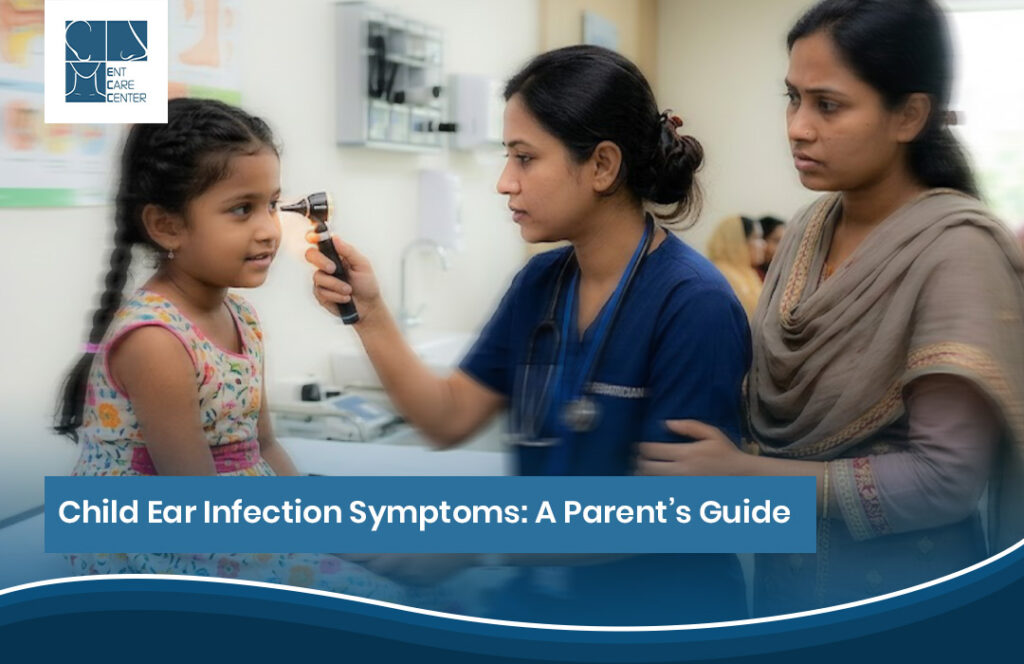
Ear infections, particularly acute otitis media (middle ear infection), are among the most common childhood illnesses. In Dhaka and other parts of Bangladesh, where respiratory infections spread easily due to weather changes, crowded living conditions, and pollution, many parents face this issue repeatedly with their little ones. While often painful and distressing for both child and parent, most ear infections are manageable and many resolve with proper care. Knowing the symptoms early can help you provide comfort and seek timely medical help when needed.
What Is an Ear Infection in Children? (Overview for Parents)
An ear infection usually refers to otitis media, an inflammation or infection of the middle ear—the small space behind the eardrum. It often occurs when fluid builds up behind the eardrum due to a blocked Eustachian tube (the narrow passage connecting the middle ear to the back of the nose and throat). This fluid becomes a breeding ground for viruses or bacteria.
Children are far more prone to ear infections than adults because their Eustachian tubes are shorter, narrower, and more horizontal, making drainage difficult. Most cases follow a cold, flu, or allergy. While painful, many ear infections improve on their own within a few days, but some require medical attention.
Common Symptoms of Ear Infection in Kids
Watch for these typical signs:
- Ear pain or discomfort (may worsen when lying down)
- Tugging, pulling, or rubbing at one or both ears
- Fussiness, irritability, or excessive crying
- Difficulty sleeping or frequent waking at night
- Fever (often higher in younger children)
- Reduced appetite or trouble feeding
- Fluid drainage from the ear (clear, yellow, or pus-like, sometimes indicating a ruptured eardrum)
- Temporary hearing difficulties or not responding to soft sounds
- Loss of balance or clumsiness
Symptoms can appear suddenly and often accompany a cold or sore throat.
Signs of Ear Infection in Babies vs Older Children
In babies and toddlers (under 2–3 years):
- They cannot verbalize pain, so signs are often nonverbal.
- Intense crying or fussiness, especially when lying flat.
- Tugging or batting at the ears.
- Fever, vomiting, diarrhea, or reduced feeding.
- Increased irritability and poor sleep.
- Less response to sounds or voices.
In older children (3+ years):
- They can often complain directly about ear pain or a “full” feeling in the ear.
- Headache, sore throat, or balance issues may be reported.
- They may still tug at ears but can describe the discomfort.
- Symptoms like fever and sleep problems remain common, but communication is clearer.
In both groups, pain often intensifies at night or during pressure changes (e.g., flying or altitude shifts).
Causes of Ear Infections in Children
The main triggers include:
- Viral or bacterial infections — Often following an upper respiratory infection (cold, flu, or sinusitis) that causes Eustachian tube swelling and fluid buildup.
- Common bacteria: Streptococcus pneumoniae and Haemophilus influenzae.
- Allergies or enlarged adenoids that block the Eustachian tube.
- Exposure to secondhand smoke or air pollution (relevant in urban Dhaka).
- Bottle-feeding while lying flat or pacifier use beyond recommended age.
- Daycare attendance (increased germ exposure).
Children between 6 months and 3 years are at highest risk.
How to Tell If Your Child Has an Ear Infection
Look for a combination of symptoms rather than a single sign. Ear tugging alone is not always diagnostic, as babies sometimes do this when teething or exploring. However, when combined with fever, fussiness after a cold, or fluid drainage, it strongly suggests an ear infection.
Parents in Dhaka should note that symptoms may worsen during humid or changing seasons when colds are frequent. If your child seems in pain, has a high fever, or shows reduced responsiveness, consult a doctor promptly for an ear examination using an otoscope.
When to See a Doctor for Your Child’s Ear Pain
Seek medical help if:
- Your child is under 6 months old with any fever or suspected ear symptoms.
- Fever is 102.2°F (39°C) or higher, or persists beyond 2–3 days.
- Severe ear pain, pus/bloody discharge, or swelling behind the ear.
- Symptoms last more than 2–3 days without improvement.
- Hearing loss, balance problems, or signs of dehydration (less wet diapers, dry mouth).
- Recurrent infections (3+ in 6 months or 4+ in a year).
In Dhaka, visit a trusted pediatrician or ENT specialist for accurate diagnosis. Early evaluation prevents unnecessary suffering.
Treatment Options for Pediatric Ear Infections
Treatment depends on age, severity, and whether the cause is likely viral or bacterial:
- Watchful waiting — Many mild cases (especially viral) resolve in 48–72 hours without antibiotics.
- Pain relief — Paracetamol (acetaminophen) or ibuprofen for fever and pain (follow age-appropriate dosing).
- Antibiotics — Prescribed for severe cases, infants under 6 months, or when bacterial infection is confirmed/suspected. Common choice: high-dose amoxicillin. Complete the full course.
- Ear drops — Sometimes used for pain relief (if eardrum is intact).
- For recurrent cases: Referral to an ENT for possible ear tubes (tympanostomy) to improve drainage.
Most children feel better within a few days of starting treatment.
Home Care Tips to Relieve Ear Infection Pain
While awaiting or supporting medical care:
- Keep your child upright as much as possible to ease pressure.
- Use warm (not hot) compresses on the affected ear for comfort.
- Ensure plenty of rest and fluids to prevent dehydration.
- Use a cool-mist humidifier to soothe nasal passages.
- Avoid smoke exposure and keep the home environment clean.
- Never insert cotton swabs or objects into the ear canal.
These steps can reduce discomfort significantly. Always check with a doctor before giving any medication.
Preventing Ear Infections in Children
Prevention strategies include:
- Breastfeed exclusively for the first 6 months if possible (provides immune protection).
- Avoid bottle propping and limit pacifier use after 6 months.
- Practice good hand hygiene and limit exposure to sick children (especially in daycare).
- Keep vaccinations up to date (pneumococcal and influenza vaccines help reduce risk).
- Avoid secondhand smoke and reduce exposure to air pollution.
- Treat allergies and nasal congestion promptly.
- Encourage healthy diet and adequate sleep to strengthen immunity.
These measures can dramatically lower the frequency of ear infections.
Possible Complications If Ear Infections Are Left Untreated
While most infections clear up, untreated or recurrent cases can lead to:
- Temporary or (rarely) permanent hearing loss.
- Speech and language delays in young children.
- Spread of infection to nearby structures (mastoiditis or meningitis—rare but serious).
- Perforated eardrum with chronic drainage.
- Balance problems or chronic middle ear fluid (glue ear).
Prompt care minimizes these risks and protects your child’s development.
As a parent in Dhaka, trust your instincts—if your child seems unusually unwell, consult a pediatrician or ENT specialist without delay. Many clinics offer quick ear examinations and guidance tailored to local conditions.
With awareness, timely care, and preventive habits, you can help your child recover quickly and reduce future episodes. Better ear health means happier, more comfortable days for the whole family. If symptoms persist or recur, seek specialized ENT evaluation for advanced management options.