
Welcome to the ENT Care Center blog! As a leading provider of ear, nose, and throat care in Bangladesh, we’re committed to empowering you with reliable, evidence-based information to safeguard your health. ENT infections, also known as upper respiratory infections affecting the ears, nose, and throat, are incredibly common—impacting millions worldwide each year. These infections can range from mild annoyances to more serious conditions requiring medical attention. In this comprehensive guide, we’ll explore the symptoms, causes, types, and practical ways to manage ENT infections. Whether you’re wondering, “How do I know if I have an ear, nose, and throat infection?” or seeking home remedies, we’ve got you covered. Let’s dive in to help you recognize, treat, and prevent these issues effectively.
Symptoms of an Ear, Nose, and Throat Infection
ENT infections often present with overlapping symptoms due to the interconnected nature of these areas. Common signs include:
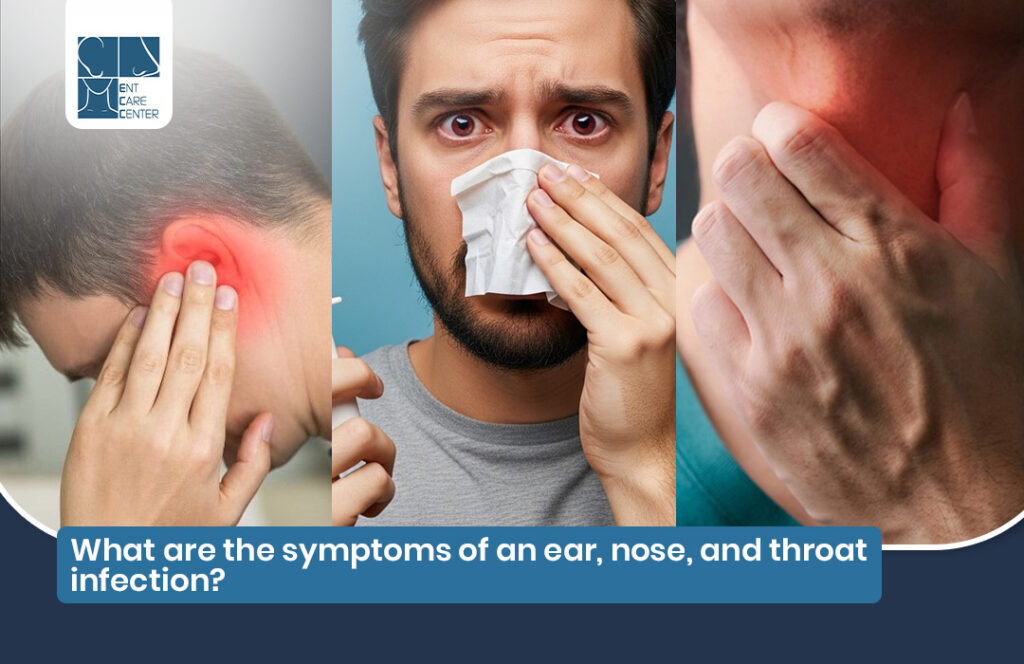
- Ear-related symptoms: Pain or pressure in the ear (otalgia), muffled hearing, itching, drainage of fluid or pus, and a feeling of fullness as if your ear is plugged.
- Nose-related symptoms: Runny or stuffy nose, sneezing, postnasal drip (mucus dripping down the throat), sinus pressure around the eyes and cheeks, and reduced sense of smell.
- Throat-related symptoms: Sore throat, difficulty swallowing (dysphagia), hoarseness or voice loss, swollen lymph nodes in the neck, and a persistent cough.
What does an ear, nose, and throat infection feel like? It often feels like a persistent discomfort—think of a throbbing ache in your ear that worsens when lying down, a raw, scratchy throat that makes every swallow painful, or a heavy, congested head from sinus blockage. For many, it’s accompanied by fatigue, mild fever, and headache, making daily activities challenging.
Warning Signs of an Ear Infection
While mild ear infections may resolve on their own, certain red flags indicate a need for prompt care, especially in children or those with underlying health conditions. What are the warning signs of an ear infection? Watch for:
- High fever (above 102°F or 39°C) lasting more than a day.
- Severe ear pain that doesn’t improve with over-the-counter pain relievers.
- Pus or bloody discharge from the ear.
- Dizziness, balance issues, or facial weakness.
- Swelling behind the ear or persistent crying/irritability in infants.
These signs could point to complications like a ruptured eardrum or spread of infection, so don’t delay seeking help.
Types of ENT Infections
ENT infections vary by the affected area and pathogen. Here’s a breakdown:
Type | Description | Common Examples |
Otitis (Ear Infections) | Inflammation of the ear, often in the middle ear (otitis media). | Acute otitis media (sudden onset), otitis externa (swimmer’s ear). |
Sinusitis (Nose Infections) | Inflammation of the sinuses, leading to congestion. | Acute sinusitis (short-term), chronic sinusitis (lasting >12 weeks). |
Pharyngitis/Tonsillitis (Throat Infections) | Inflammation of the throat or tonsils. | Strep throat (bacterial), viral sore throat. |
Laryngitis | Inflammation of the voice box, causing hoarseness. | Often viral, linked to colds. |
Understanding the type helps tailor treatment—ear infections, for instance, are more common in kids due to shorter Eustachian tubes.
Causes of ENT Infections
ENT infections arise from various triggers, often environmental or lifestyle-related:
- Pathogens: Viruses (e.g., rhinovirus, influenza) account for most cases, while bacteria like Streptococcus or Haemophilus influenzae cause others.
- Environmental factors: Allergies, pollution, dry air, or irritants like smoke weaken mucous membranes.
- Anatomical issues: Blocked Eustachian tubes, deviated septum, or enlarged adenoids trap fluids, fostering bacterial growth.
- Lifestyle contributors: Poor hygiene, close contact in schools/daycares, or weakened immunity from stress/poor diet.
Viral vs Bacterial ENT Infections: Viral infections (e.g., common cold-related) are self-limiting, lasting 7-10 days with symptoms like clear runny nose and low fever. Bacterial ones often involve thicker yellow/green discharge, higher fever, and prolonged symptoms (>10 days). Antibiotics are ineffective against viruses but crucial for bacterial cases to prevent complications like abscesses.
How Do I Know If I Have an Ear, Nose, and Throat Infection?
Self-diagnosis starts with symptom tracking. If you experience a cluster of the symptoms listed above—especially after a cold or exposure to allergens—it’s likely an ENT infection. Use a simple checklist:
- Duration: Symptoms persisting beyond a week?
- Severity: Interfering with sleep, eating, or work?
- Accompanying issues: Fever, swollen glands, or breathing difficulty?
For accuracy, consult a doctor for exams like otoscopy (ear check) or throat swabs. Early recognition prevents escalation.
How Do You Get Rid of an Ear, Nose, and Throat Infection?
Most ENT infections resolve with supportive care, but targeted strategies speed recovery:
- Rest and hydration: Drink plenty of fluids to thin mucus; aim for 8-10 glasses daily.
- Over-the-counter aids: Decongestants (e.g., pseudoephedrine) for nasal stuffiness, pain relievers (ibuprofen/acetaminophen) for discomfort, and saline nasal sprays.
- Antibiotics: Only if bacterial—prescribed by a doctor after testing.
- Follow-up: Monitor for 48-72 hours; if no improvement, seek reevaluation.
How to Treat an Ear Infection in Pregnancy
Pregnancy complicates treatment due to fetal safety concerns. How to treat an ear infection in pregnancy? Prioritize non-drug options:
- Warm compresses on the ear for pain relief.
- Acetaminophen (Tylenol) for fever/pain—avoid ibuprofen after 20 weeks.
- Saline drops and humidifiers to ease congestion.
- Elevate your head while sleeping to reduce pressure.
Always consult your OB-GYN or ENT specialist before any medication. Most ear infections in pregnancy are viral and resolve without intervention, but prompt care avoids risks like preterm labor from untreated fever.
When to Visit an ENT Doctor
Don’t wait if symptoms worsen or include high fever, severe pain, breathing issues, neck stiffness, or dehydration signs (dry mouth, reduced urine). Children under 6 months with any fever, or adults with recurrent infections (>4/year), should see an ENT specialist. At ENT Care Center, our experts use advanced diagnostics like endoscopy for personalized plans. Early visits prevent chronic issues like hearing loss.
Home Remedies for ENT Infections
Nature offers gentle relief—try these evidence-backed options:
- Gargling: Warm salt water (1/2 tsp salt in 8 oz water) 3-4 times daily for throat soothing.
- Steam inhalation: Breathe steam from a hot shower or bowl of hot water (add eucalyptus oil) to loosen mucus.
- Honey and lemon: A soothing tea for coughs (1 tsp honey in warm water; avoid honey for infants <1 year).
- Garlic/ginger: Antiviral properties—chew fresh or add to soups.
- Probiotics: Yogurt or kefir to support gut health and immunity.
These remedies complement medical care but aren’t substitutes for professional advice, especially in severe cases.
In conclusion, ENT infections are manageable with awareness and timely action. By recognizing symptoms early and adopting preventive habits like handwashing and flu shots, you can minimize disruptions. If you’re in Bangladesh and need expert care, book an appointment at ENT Care Center today—we’re here to help you breathe, hear, and speak freely. Stay healthy, and tune in for more ENT tips!
Disclaimer: This content is for informational purposes only and not a substitute for professional medical advice. Consult a healthcare provider for personalized guidance.