
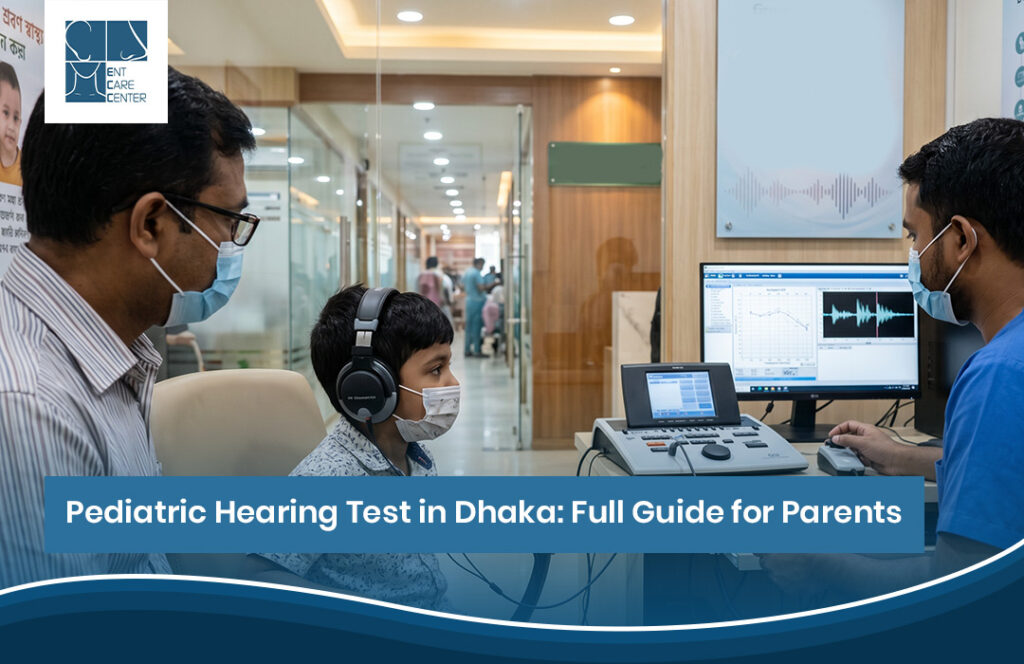
Hearing is crucial for a child’s speech, language, cognitive, and social development. In Dhaka, specialized pediatric hearing clinics at centers like ENT Care Center and Hearing Care Center offer comprehensive, child-friendly hearing assessments using modern equipment. Early detection and intervention can dramatically improve outcomes for children with hearing issues. This guide answers all your questions as a parent.
What is a Pediatric Hearing Test?
A pediatric hearing test is a safe, painless evaluation that measures how well a child can hear across different frequencies and volumes. Unlike adult tests, these are specially designed for infants, toddlers, and children, often using play-based or objective methods that do not require the child to respond verbally. The goal is to detect hearing loss early and determine its type and degree (mild, moderate, severe, or profound).
Why Early Hearing Check is Important
The first 3 years of life are the most critical period for brain development related to hearing and speech. Undetected hearing loss can lead to delayed speech, learning difficulties, social isolation, and lower academic performance.
Key benefits of early screening:
- Better language development
- Improved cognitive and emotional growth
- Higher success rates with hearing aids or implants
- Reduced need for intensive therapy later
Newborn hearing screening is recommended worldwide, and Dhaka’s leading centers strongly encourage follow-up tests if any risk factors are present.
Signs of Hearing Loss in Children
Parents should watch for these common warning signs:
Infants (0-12 months):
- Not startling to loud sounds
- Not turning toward voices or sounds by 4-6 months
- Not babbling or making varied sounds by 9 months
Toddlers & Young Children:
- Delayed speech or unclear pronunciation
- Not responding when called from behind
- Frequent requests to repeat words or TV volume turned up high
- Difficulty following directions
- Poor attention or behavioral issues in school
- Speaking louder than normal
If you notice any of these, consult a pediatric audiologist promptly.
Best Age for Hearing Test
- Newborns: Universal screening within the first month (ideally before hospital discharge).
- 6-9 months: Behavioral tests become more reliable.
- 2-5 years: Play-based audiometry is highly effective.
- School age: Regular screening if there are concerns or risk factors.
Any age is appropriate if you suspect a problem — it is never too late to test, but earlier is always better.
Types of Pediatric Hearing Tests
Clinics in Dhaka commonly use these tests:
- Otoacoustic Emissions (OAE): Quick, objective test that checks outer hair cell function in the cochlea. Ideal for newborns.
- Auditory Brainstem Response (ABR/BERA): Measures brain wave activity in response to sound. Gold standard for infants and children who cannot cooperate.
- Behavioral Audiometry: Visual Reinforcement Audiometry (VRA) for 6-30 months; Conditioned Play Audiometry for 2-5 years.
- Pure Tone Audiometry: Standard headphone test for older children (5+ years).
- Tympanometry & Acoustic Reflex: Assesses middle ear function and detects fluid or eustachian tube issues.
How Hearing Tests are Done in Dhaka
Leading centers in Dhaka (Gulshan, Dhanmondi, etc.) provide child-friendly environments with trained staff. Tests are usually completed in one or two visits:
- Detailed case history and parental interview.
- Ear examination (otoscopy).
- Objective tests (OAE/ABR) for young children — child can sleep or rest quietly.
- Behavioral/play-based tests for toddlers (using games and rewards).
- Results explained immediately with recommendations.
Sessions are gentle, and parents stay with their child throughout. Advanced clinics use international-standard equipment for accurate results.
Role of Audiologists in Diagnosis
Pediatric audiologists are highly trained professionals who specialize in children’s hearing. They:
- Select and perform age-appropriate tests
- Interpret results accurately
- Differentiate between conductive, sensorineural, or mixed hearing loss
- Work closely with ENT doctors, speech therapists, and pediatricians
- Provide counseling and long-term management plans
Their expertise ensures precise diagnosis and personalized care.
Causes of Hearing Problems in Kids
Common causes in Bangladesh include:
- Congenital factors (genetic, maternal infections during pregnancy)
- Ear infections (otitis media) and fluid in the middle ear
- Birth complications (low birth weight, jaundice, lack of oxygen)
- Viral infections (measles, mumps, meningitis)
- Exposure to loud noise or ototoxic medications
- Allergies and adenoid problems common in Dhaka’s environment
Many causes are treatable if identified early.
Treatment Options After Diagnosis
Treatment depends on the type and severity of hearing loss:
- Medical/Surgical: Antibiotics, ear tubes (grommets) for recurrent infections, or corrective surgery.
- Hearing Aids: Digital devices fitted specifically for children.
- Cochlear Implants: For severe to profound sensorineural loss when aids are insufficient.
- Speech & Language Therapy: Essential alongside hearing devices.
- Auditory Verbal Therapy (AVT): Helps children develop listening and spoken language skills.
Dhaka’s specialized centers offer complete rehabilitation support under one roof.
Tips for Parents After Hearing Test
- Follow all recommendations promptly — early action makes a big difference.
- Learn how to care for hearing aids or implants if prescribed.
- Create a language-rich environment: speak clearly, read daily, reduce background noise.
- Attend regular follow-up tests (hearing can change over time).
- Join parent support groups and stay in touch with the audiologist.
- Protect your child’s ears from loud noises and treat ear infections quickly.
- Stay positive — most children with proper support thrive academically and socially.
Conclusion
If you suspect your child has hearing difficulties, don’t wait. Visit a trusted Pediatric Hearing Test center in Dhaka for expert evaluation and compassionate care. Early intervention gives your child the best chance for full development and a bright future. Book a consultation today and take the first step toward better hearing and communication.