
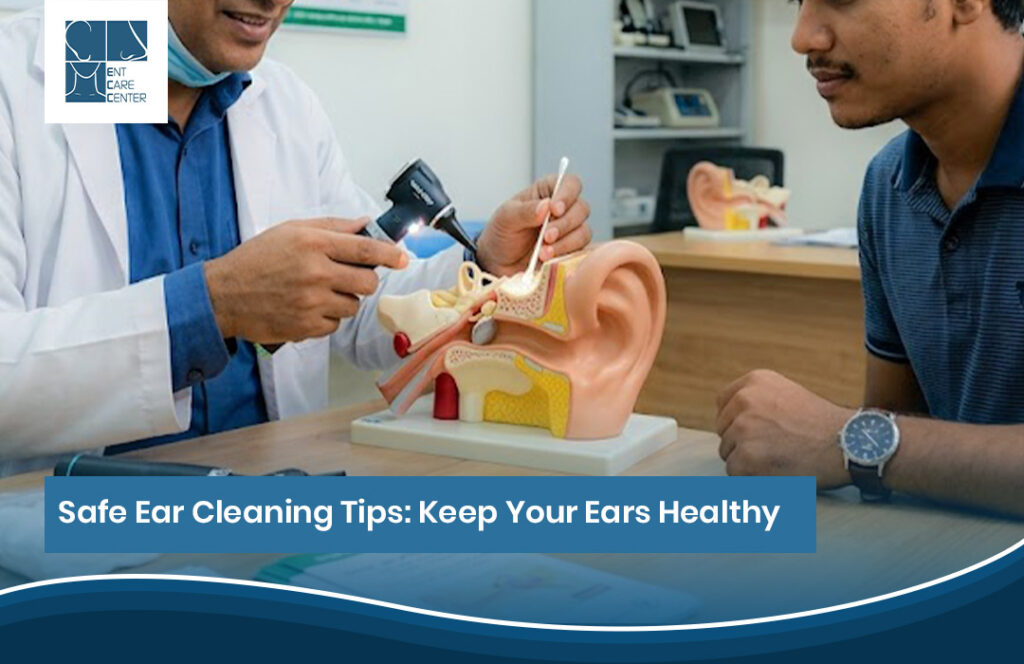
Maintaining proper ear hygiene is essential for good hearing and overall ear health. In Dhaka’s humid climate, dust, and pollution, many people experience earwax buildup, discomfort, or even infections. However, aggressive or improper ear cleaning can do more harm than good. Understanding safe ear cleaning practices helps protect the delicate ear canal and eardrum while preventing common problems like impacted wax, irritation, or hearing issues.
Why Ear Cleaning Is Important for Ear Health
Regular but gentle ear care prevents excessive wax accumulation that can block the ear canal, cause temporary hearing loss, or lead to infections. Proper cleaning also reduces the risk of itching, pain, tinnitus (ringing in the ears), and balance problems. When done safely, ear cleaning supports the ear’s natural self-cleaning mechanism and helps maintain clear hearing—crucial for daily communication, work, and safety in a busy city like Dhaka.
Understanding Earwax: Benefits and Natural Protection
Earwax (cerumen) is a natural substance produced by glands in the ear canal. It is not dirt but a protective barrier that:
- Traps dust, dirt, bacteria, and debris
- Moisturizes and lubricates the ear canal to prevent dryness and itching
- Contains antibacterial and antifungal properties that help fight infections
- Acts as a natural cleanser, slowly moving outward with jaw movements (chewing, talking)
Healthy earwax is usually golden-yellow, brown, or orange and has a soft or waxy texture. The body is designed to clear old wax naturally, so frequent cleaning is often unnecessary.
Signs You Have Excess Earwax Buildup
Watch for these common indicators of impacted earwax:
- Feeling of fullness or blockage in the ear
- Muffled or reduced hearing
- Earache or discomfort
- Itching or irritation inside the ear
- Ringing in the ears (tinnitus)
- Dizziness or mild vertigo
- Persistent coughing (due to stimulation of nerves)
- Visible dark wax near the outer ear
In humid weather or after frequent use of earphones/headphones, buildup tends to worsen.
Safe Ways to Clean Your Ears at Home
The safest approach is to let the ears clean themselves. When needed, follow these gentle methods:
- Wipe the outer ear only with a soft, damp cloth after bathing. Never insert anything into the ear canal.
- Warm water irrigation — Use a bulb syringe with body-temperature water while tilting your head. Gently flush the outer part of the canal and let water drain out. Do this sparingly.
- Over-the-counter ear drops — Use wax-softening drops (mineral oil, baby oil, or glycerin-based) to loosen hardened wax before gentle irrigation.
Always dry the outer ear thoroughly afterward to prevent moisture-related infections (otitis externa or “swimmer’s ear”).
What to Avoid: Cotton Buds and Harmful Cleaning Methods
Never use cotton buds (Q-tips), hairpins, matchsticks, or any sharp objects inside the ear canal. These can:
- Push wax deeper, causing impaction
- Scratch or damage the delicate skin of the ear canal
- Perforate the eardrum
- Introduce bacteria leading to infection
Avoid forceful syringing with cold water, ear candles (which are unsafe and ineffective), or aggressive vacuum devices at home. In Dhaka’s pharmacies, many still sell cotton buds — resist the temptation.
Best Ear Drops for Softening Earwax Safely
Safe and effective options include:
- Carbamide peroxide drops (available in many pharmacies)
- Mineral oil or almond oil
- Glycerin or saline-based solutions
Use 3–5 drops twice daily for 3–5 days to soften wax, then gently irrigate if needed. Always follow the product instructions and check with a pharmacist or doctor if you have a history of ear problems, perforated eardrum, or recent ear surgery.
How Often Should You Clean Your Ears?
Most people do not need regular ear cleaning. The ears are self-cleaning, and over-cleaning can disrupt natural wax production and protective barriers. Clean only when you notice symptoms of excess wax or after advice from a doctor. For most adults, this might mean once every few months or less. Children usually need even less intervention.
Professional Ear Cleaning: When to See a Doctor
Visit an ENT specialist for safe, professional ear cleaning if:
- You have symptoms of impacted wax that don’t improve with home care
- You have a history of ear infections, perforated eardrum, or ear surgery
- Wax is very hard or deeply impacted
- You experience pain, discharge, hearing loss, or dizziness
ENT doctors in Dhaka use specialized tools like micro-suction or gentle irrigation under direct vision, which is safer and more effective than home methods. This is especially recommended for elderly people, children, or those with narrow ear canals.
Risks of Improper Ear Cleaning
Improper techniques can lead to:
- Impacted earwax (worsening blockage)
- Ear canal infections (otitis externa)
- Eardrum perforation and possible hearing loss
- Injury to the delicate skin or bones in the ear
- Increased risk of tinnitus or vertigo
- Chronic irritation and itching
In severe cases, damage may require medical or even surgical intervention.
Tips to Prevent Earwax Buildup Naturally
- Avoid inserting objects into the ear canal
- Use earplugs or noise-cancelling headphones instead of in-ear buds when possible
- Keep ears dry after swimming or bathing (tilt head to drain water)
- Manage allergies and sinus issues promptly to reduce inflammation
- Maintain good overall hygiene without over-cleaning
- Eat a balanced diet and stay hydrated to support healthy skin in the ear canal
- Limit use of cotton buds to cleaning only the visible outer ear
By following these preventive habits, you can maintain healthy ears with minimal effort.
Safe ear cleaning is about working with your body’s natural processes rather than against them. In Dhaka’s challenging environment, being gentle and informed protects your hearing for years to come.
If you experience persistent ear discomfort, hearing changes, or suspect wax buildup, consult a qualified ENT specialist for professional evaluation and safe treatment. Healthy ears mean clearer hearing and better quality of life — prioritize gentle care today.