
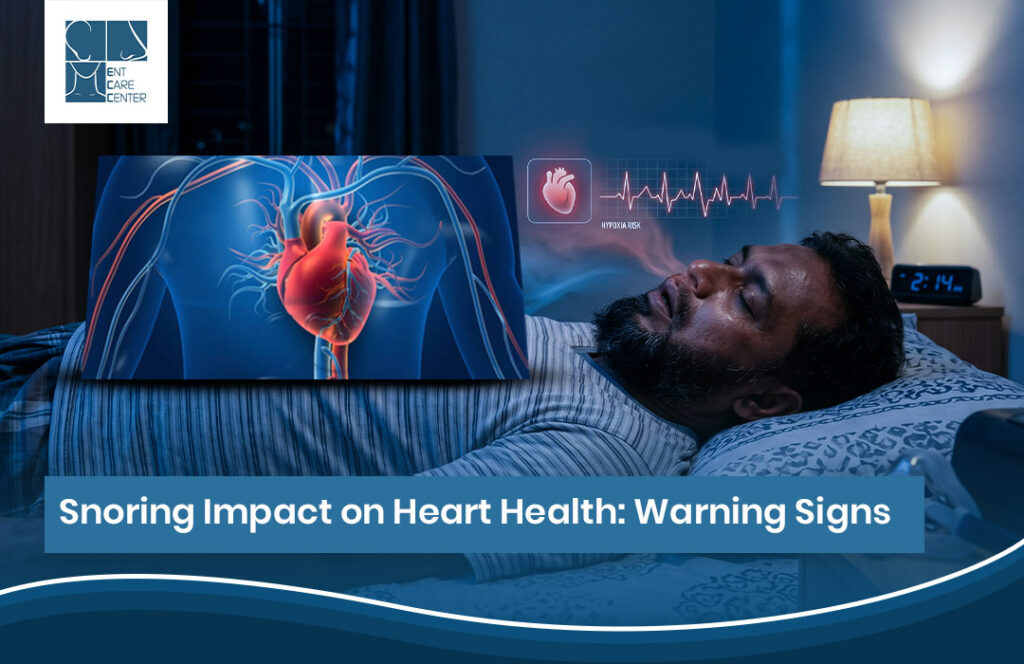
Loud, chronic snoring is often dismissed as a harmless annoyance, but it can be a major red flag for serious heart problems. In Dhaka and across Bangladesh, where obesity, pollution, and stress are rising, many people unknowingly put their heart health at risk through untreated snoring and sleep disorders. Understanding the connection between snoring and cardiovascular health can help you take early action and protect your heart.
What is Snoring?
Snoring is the harsh sound produced when air flows through a partially obstructed upper airway during sleep. The soft tissues in the throat (soft palate, uvula, and tongue) vibrate as you breathe. While occasional light snoring is common, loud and frequent snoring—especially with pauses in breathing—can indicate a more serious condition called Obstructive Sleep Apnea (OSA).
Link Between Snoring and Heart Health
Chronic snoring and sleep apnea repeatedly lower oxygen levels in the blood and increase pressure in the chest and arteries. Over time, this stresses the cardiovascular system, raising the risk of high blood pressure, heart disease, stroke, and irregular heart rhythms. Studies show that people with untreated sleep apnea have a significantly higher chance of developing heart problems compared to non-snorers.
How Sleep Apnea Affects the Heart
During sleep apnea episodes, the airway collapses, stopping breathing for 10–30 seconds or longer. This causes:
- Sudden drops in blood oxygen
- Repeated spikes in blood pressure and heart rate
- Increased production of stress hormones (cortisol and adrenaline)
- Inflammation and strain on the heart muscle
These nightly disturbances force the heart to work harder, eventually leading to structural changes and reduced heart efficiency.
High Blood Pressure Risk from Snoring
Snoring and sleep apnea are strongly linked to hypertension (high blood pressure). The repeated oxygen drops and awakenings activate the sympathetic nervous system, causing blood vessels to constrict. Many patients with resistant high blood pressure (that doesn’t respond well to medication) are later diagnosed with sleep apnea. Treating the snoring often helps bring blood pressure under better control.
Irregular Heartbeat and Sleep Issues
Sleep-disordered breathing increases the risk of atrial fibrillation (AFib) and other arrhythmias. The constant fluctuations in oxygen and pressure irritate the heart’s electrical system. People with untreated sleep apnea have nearly four times higher risk of developing AFib. This irregular heartbeat can lead to blood clots, stroke, and heart failure if left unmanaged.
Warning Signs to Watch Early
Pay attention to these important signals:
- Loud snoring with choking or gasping sounds
- Observed pauses in breathing during sleep
- Morning headaches or dry mouth
- High blood pressure that is hard to control
- Chest pain or palpitations at night
- Frequent nighttime urination
- Difficulty staying asleep
Early recognition of these signs can prevent long-term heart damage.
Daytime Fatigue and Heart Strain
Excessive daytime sleepiness, difficulty concentrating, and constant tiredness are not just signs of poor sleep — they indicate that your heart is under extra strain. When the body doesn’t get restorative sleep, it stays in a stressed state, increasing inflammation and forcing the heart to work harder even during waking hours. This fatigue is often a warning that cardiovascular risk is rising.
Who is at Higher Risk?
Higher risk groups include:
- Overweight or obese individuals (especially with fat around the neck)
- Men (more common than women until menopause)
- People over 40 years old
- Those with large tonsils, deviated nasal septum, or receding chin
- Smokers and alcohol users
- Patients with family history of heart disease or sleep apnea
- People living in highly polluted areas like Dhaka
Children who snore loudly should also be evaluated, as it can affect their heart and growth.
Diagnosis for Heart-Related Sleep Problems
Proper diagnosis usually involves:
- Consultation with an ENT specialist or sleep physician
- Detailed sleep history and physical examination
- Overnight sleep study (Polysomnography) — either in a lab or at home
- Heart evaluation (ECG, Holter monitor, or Echocardiography) if needed
- Blood pressure monitoring and blood tests
Leading ENT and Hearing Care Centers in Dhaka offer comprehensive sleep evaluation packages.
Treatment and Lifestyle Changes
Lifestyle Changes (often very effective):
- Lose weight (even 10% reduction helps significantly)
- Sleep on your side instead of back
- Avoid alcohol, sedatives, and heavy meals before bed
- Quit smoking
- Treat nasal allergies and sinus problems
- Exercise regularly and maintain good sleep hygiene
Medical Treatments:
- CPAP (Continuous Positive Airway Pressure) machine — gold standard for sleep apnea
- Oral appliances to keep the airway open
- Nasal surgery, tonsillectomy, or palate procedures when appropriate
- Medications for associated high blood pressure or heart conditions
Many patients see dramatic improvements in both sleep quality and heart health after proper treatment.
Conclusion
Loud snoring is not just a noise — it can be a silent threat to your heart. Recognizing the warning signs early and seeking professional help can save lives and improve quality of life. If you snore loudly, feel tired during the day, or have high blood pressure, don’t ignore it. Visit a trusted ENT specialist or sleep clinic in Dhaka for expert evaluation. Taking care of your snoring today protects your heart for tomorrow.
Book a consultation at a specialized ENT Care Center for comprehensive snoring and sleep apnea assessment. Better sleep means a healthier heart.