
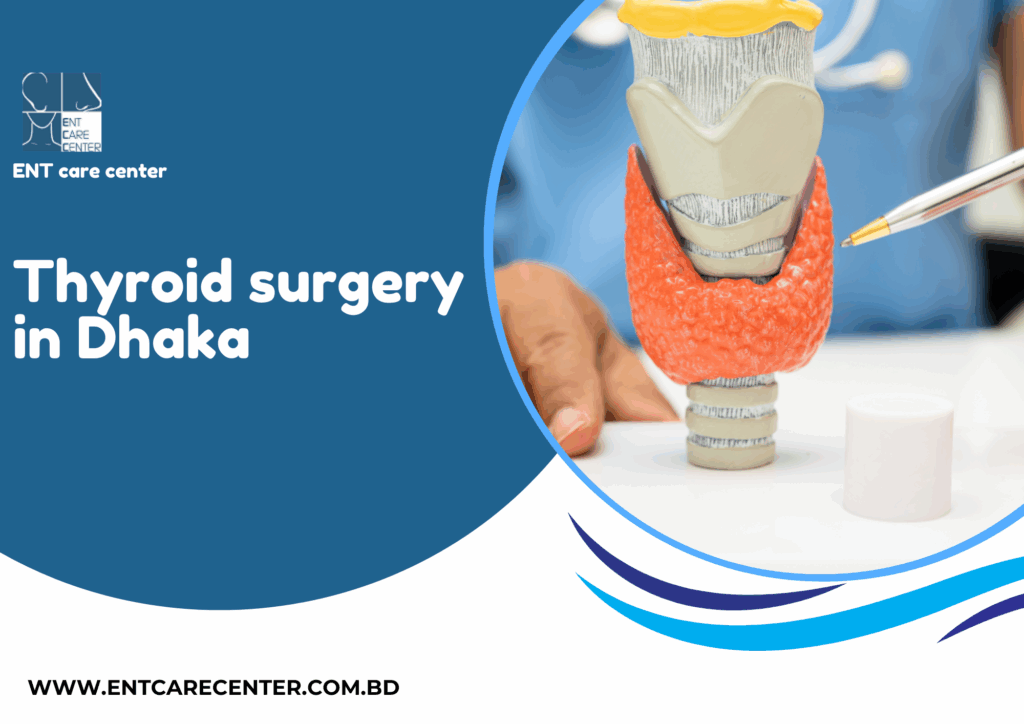
Thyroid disorders are increasingly common, affecting people’s health and quality of life. In Dhaka, advanced thyroid surgery offers effective solutions for those requiring medical intervention. This blog explores thyroid disorders, when surgery is necessary, the types of procedures available, and what patients can expect before, during, and after surgery. Whether you’re dealing with a thyroid condition or supporting a loved one, this guide provides essential insights into advanced thyroid care in Dhaka.
Understanding Thyroid Disorders and Their Symptoms
The thyroid is a small, butterfly-shaped gland in the neck that regulates metabolism, heart rate, and other vital functions through hormone production. When the thyroid malfunctions, it can lead to various disorders, including:
- Hypothyroidism: Underactive thyroid, causing fatigue, weight gain, dry skin, and depression.
- Hyperthyroidism: Overactive thyroid, leading to weight loss, rapid heartbeat, anxiety, and heat intolerance.
- Goiter: Enlarged thyroid gland, often visible as a neck swelling, which may cause difficulty swallowing or breathing.
- Thyroid Nodules: Lumps in the thyroid, which may be benign or cancerous.
- Thyroid Cancer: A rare but serious condition requiring prompt treatment.
Common symptoms include neck swelling, fatigue, weight changes, heart palpitations, and difficulty swallowing or breathing. If you experience these, consult an ENT or endocrinology specialist for tests like blood work, ultrasound, or biopsy to diagnose the condition.
When Is Thyroid Surgery Needed?
Thyroid surgery, or thyroidectomy, is recommended when non-surgical treatments (e.g., medications or radioactive iodine) are ineffective or inappropriate. Surgery may be necessary for:
- Large Goiters: Causing breathing or swallowing difficulties.
- Suspicious or Cancerous Nodules: When biopsy indicates malignancy or high risk.
- Hyperthyroidism Uncontrolled by Medication: Especially in cases of Graves’ disease.
- Thyroid Cancer: To remove cancerous tissue and prevent spread.
- Cosmetic or Symptomatic Concerns: Large thyroids causing discomfort or visible swelling.
An ENT specialist or thyroid surgeon in Dhaka will evaluate your condition using imaging, blood tests, and clinical history to determine if surgery is the best option.
Different Types of Thyroid Surgery
Thyroid surgery varies based on the condition and extent of gland removal. Common types include:
- Total Thyroidectomy: Removal of the entire thyroid gland, often for cancer or large goiters.
- Partial Thyroidectomy (Lobectomy): Removal of one thyroid lobe, typically for benign nodules or smaller tumors.
- Subtotal Thyroidectomy: Removal of most of the thyroid, leaving some tissue to maintain hormone production.
- Isthmusectomy: Removal of the thyroid’s central isthmus, used for small, centrally located nodules.
Minimally invasive techniques, such as endoscopic or robotic-assisted surgery, are also available in Dhaka’s top hospitals, offering smaller incisions and faster recovery.
Benefits of Advanced Thyroid Surgery Techniques
Dhaka’s leading hospitals use cutting-edge techniques to improve thyroid surgery outcomes, including:
- Minimally Invasive Approaches: Smaller incisions reduce scarring and recovery time.
- Endoscopic Thyroidectomy: Uses a camera and small tools for precision, ideal for cosmetic concerns.
- Robotic-Assisted Surgery: Enhances precision with robotic arms, minimizing damage to surrounding tissues.
- Intraoperative Nerve Monitoring: Protects vocal cord nerves, reducing the risk of voice changes.
- High-Resolution Imaging: Ensures accurate removal of affected tissue while preserving healthy structures.
These advancements lead to less pain, shorter hospital stays, and better cosmetic results, making surgery safer and more effective.
Risks and Complications to Know About
While thyroid surgery is generally safe, potential risks include:
- Vocal Cord Damage: Temporary or permanent hoarseness due to nerve injury (minimized with nerve monitoring).
- Hypoparathyroidism: Damage to parathyroid glands, affecting calcium levels, causing tingling or muscle cramps.
- Bleeding or Infection: Rare but possible, requiring prompt medical attention.
- Hormone Imbalance: After total thyroidectomy, lifelong hormone replacement therapy is needed.
- Scarring: Minimal with advanced techniques but still a consideration.
Choosing an experienced thyroid surgeon in Dhaka and a reputable hospital reduces these risks significantly.
Recovery and Healing After Thyroid Surgery
Recovery from thyroid surgery depends on the procedure and individual health. Here’s what to expect:
- Hospital Stay: 1–3 days for most patients, with minimally invasive procedures often requiring less time.
- First Week: Mild neck pain, swelling, or sore throat is common. Pain medication and rest help manage discomfort.
- 2–4 Weeks: Avoid heavy lifting, strenuous exercise, or neck strain. Sutures or staples (if used) are typically removed within 7–10 days.
- Follow-Up: Regular checkups monitor hormone levels and healing, especially for total thyroidectomy patients.
- Scar Care: Use silicone gels or sunscreen to minimize scarring, which fades over time.
Adhering to your surgeon’s instructions, including medication schedules, ensures a smooth recovery.
Life After Thyroid Surgery: Diet and Lifestyle Tips
Post-surgery, patients may need to adjust their lifestyle to maintain health, especially after total thyroidectomy:
- Hormone Replacement: Take levothyroxine as prescribed to replace thyroid hormones, with regular blood tests to adjust dosage.
- Diet: Ensure adequate calcium and vitamin D intake to support parathyroid function. Include iodine-rich foods (e.g., fish, dairy) if partial thyroid remains.
- Exercise: Resume light activities after 2–3 weeks, avoiding neck strain. Regular exercise supports metabolism and energy levels.
- Monitor Symptoms: Report fatigue, weight changes, or mood swings to your doctor, as they may indicate hormone imbalance.
- Avoid Smoking and Alcohol: These can interfere with healing and hormone regulation.
A balanced lifestyle and regular medical follow-ups help patients thrive post-surgery.
Best Hospitals and Thyroid Specialists in Dhaka
Dhaka, particularly areas like Gulshan, boasts top-tier hospitals for thyroid surgery, equipped with advanced technology and skilled specialists. Key features to look for include:
- Specialized ENT and Endocrinology Departments: Hospitals with dedicated thyroid clinics offer comprehensive care.
- Experienced Surgeons: Seek board-certified ENT surgeons or endocrinologists with expertise in thyroidectomy.
- Modern Facilities: Look for hospitals with intraoperative nerve monitoring, endoscopic equipment, and high-quality imaging.
- Patient Reviews: Positive feedback on surgical outcomes and post-operative care is a good indicator.
Leading hospitals in Gulshan and other parts of Dhaka provide world-class thyroid care, ensuring patient safety and satisfaction.
Cost of Thyroid Surgery in Dhaka
The cost of thyroid surgery in Dhaka varies based on the hospital, surgeon’s expertise, and procedure type. Approximate ranges include:
- Partial Thyroidectomy: BDT 50,000–100,000.
- Total Thyroidectomy: BDT 100,000–200,000.
- Minimally Invasive or Robotic Surgery: BDT 150,000–300,000.
Costs typically cover surgeon fees, hospital stay, anesthesia, and diagnostic tests. Private hospitals in Gulshan may charge more but offer advanced facilities. Check with hospitals for exact pricing and whether insurance or payment plans are available.
How to Prepare for Thyroid Surgery
Proper preparation enhances surgical success and recovery. Steps include:
- Medical Evaluation: Complete blood tests, ultrasound, or biopsy as advised by your doctor.
- Medication Adjustments: Inform your surgeon about current medications, as some (e.g., blood thinners) may need to be stopped.
- Pre-Surgery Instructions: Fast for 8–12 hours before surgery and avoid smoking or alcohol.
- Arrange Support: Plan for someone to assist you post-surgery, especially for transportation and home care.
- Mental Preparation: Discuss concerns with your surgeon to understand the procedure and set realistic expectations.
Preparing thoroughly ensures a smoother surgical experience and better outcomes.
Conclusion
Thyroid surgery in Dhaka offers a reliable solution for managing thyroid disorders, from goiters to cancer. With advanced techniques, experienced specialists, and top-notch hospitals, patients can expect high-quality care tailored to their needs. By understanding the procedure, preparing adequately, and following post-surgery guidelines, you can achieve optimal health and a better quality of life. If you’re considering thyroid surgery, consult a trusted ENT or thyroid specialist in Dhaka, particularly in areas like Gulshan, to explore your options and take control of your thyroid health.