
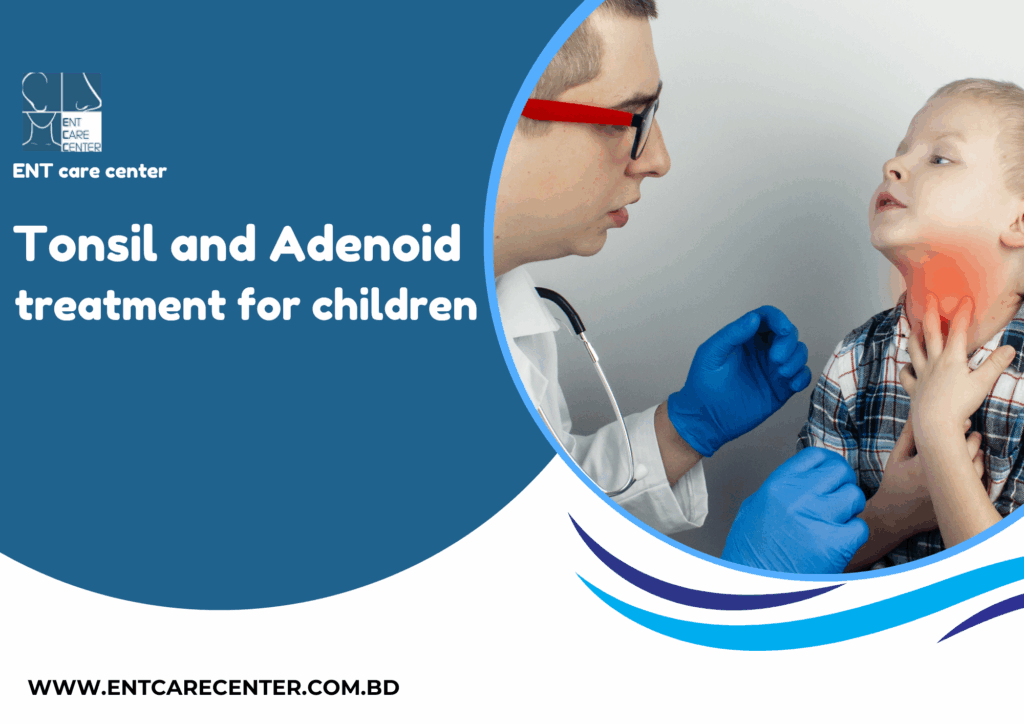
Tonsil and adenoid issues are common in children and can significantly impact their health and quality of life. In Dhaka, advanced ENT care provides effective solutions for these conditions, ranging from non-surgical treatments to surgical interventions. This blog offers a comprehensive guide for parents, covering what tonsils and adenoids are, common problems, treatment options, and what to expect during recovery. Understanding these aspects can help parents make informed decisions about their child’s health.
What Are Tonsils and Adenoids?
Tonsils and adenoids are part of the body’s lymphatic system, playing a role in fighting infections.
- Tonsils: These are two oval-shaped tissue masses located at the back of the throat, visible when a child opens their mouth wide. They help trap germs entering through the mouth.
- Adenoids: Located higher up, behind the nose and soft palate, adenoids are not visible without special instruments. They help filter germs entering through the nose.
Both act as the body’s first line of defense against infections but can sometimes become problematic, especially in children, when they enlarge or become chronically infected.
Common Problems in Children’s Tonsils and Adenoids
Tonsils and adenoids are prone to certain issues in children, including:
- Tonsillitis: Inflammation or infection of the tonsils, often caused by bacteria (e.g., Streptococcus) or viruses, leading to sore throat and fever.
- Adenoiditis: Inflammation of the adenoids, causing nasal congestion and ear infections.
- Enlarged Tonsils or Adenoids: Can obstruct airways, leading to breathing difficulties or sleep apnea.
- Recurrent Infections: Frequent episodes of tonsillitis or adenoiditis that disrupt a child’s health.
- Chronic Ear Infections: Enlarged adenoids can block the Eustachian tubes, causing recurrent ear issues.
- Obstructive Sleep Apnea (OSA): Enlarged tonsils or adenoids may cause snoring, pauses in breathing during sleep, or poor sleep quality.
These conditions can affect a child’s growth, behavior, and school performance if left untreated.
Signs and Symptoms Parents Should Watch For
Parents should be vigilant for the following signs that may indicate tonsil or adenoid problems:
- Frequent sore throats or difficulty swallowing.
- Persistent snoring, especially with gasping or breathing pauses during sleep.
- Mouth breathing, particularly at night, leading to dry mouth or bad breath.
- Nasal congestion or a chronically blocked nose, causing a “nasal” voice.
- Recurrent ear infections or hearing difficulties.
- Fatigue or irritability due to poor sleep quality.
- Difficulty eating or reduced appetite due to throat discomfort.
- Swollen glands in the neck or frequent fevers.
If these symptoms persist or recur, consult an ENT specialist in Dhaka for a thorough evaluation, which may include a physical exam, throat swab, or imaging.
When Does a Child Need Treatment?
Treatment is necessary when tonsil or adenoid issues significantly affect a child’s health or daily life. An ENT specialist may recommend intervention if a child experiences:
- Recurrent Infections: More than 5–7 episodes of tonsillitis in a year or multiple episodes over 2–3 years.
- Obstructive Sleep Apnea: Confirmed by a sleep study, indicating breathing issues during sleep.
- Difficulty Breathing or Swallowing: Due to enlarged tonsils or adenoids.
- Chronic Ear Infections: Linked to adenoid enlargement.
- Speech or Growth Issues: Caused by persistent obstruction or infections.
Early consultation with a pediatric ENT specialist in Dhaka ensures timely diagnosis and appropriate treatment.
Non-Surgical Treatment Options for Tonsils and Adenoids
Not all tonsil and adenoid problems require surgery. Non-surgical options include:
- Antibiotics: For bacterial infections like streptococcal tonsillitis, though overuse is avoided to prevent resistance.
- Nasal Sprays: Steroid sprays to reduce adenoid inflammation and improve breathing.
- Pain Management: Over-the-counter medications like acetaminophen to relieve sore throat or fever.
- Lifestyle Changes: Encouraging hydration, a balanced diet, and good hygiene to reduce infection frequency.
- Observation: For mild cases, doctors may monitor symptoms over time, as tonsils and adenoids often shrink as children grow.
Non-surgical treatments are typically tried first, especially for younger children or mild symptoms.
When Surgery Is Recommended for Children
Surgery, such as tonsillectomy (removal of tonsils) or adenoidectomy (removal of adenoids), is recommended when:
- Non-surgical treatments fail to resolve recurrent infections.
- Enlarged tonsils or adenoids cause significant airway obstruction or sleep apnea.
- Chronic ear infections persist despite other treatments.
- There’s a risk of complications, such as abscesses or suspected malignancy (rare in children).
In Dhaka, ENT specialists use advanced techniques to ensure safe and effective surgeries for children, often performed under general anesthesia.
Tonsillectomy and Adenoidectomy: What Parents Should Know
Tonsillectomy and adenoidectomy are common pediatric surgeries with the following key points:
- Procedure: Performed under general anesthesia, typically taking 30–60 minutes. Tonsils are removed through the mouth, and adenoids are accessed via the nose or mouth.
- Techniques: Modern methods include cold knife dissection, electrocautery, or coblation, which minimize bleeding and pain.
- Duration: Often done as a day-care procedure, though some children stay overnight for observation.
- Risks: Include bleeding, infection, or temporary voice changes, but complications are rare with experienced surgeons.
- Preparation: Parents should follow pre-surgery instructions, such as fasting and stopping certain medications.
Consulting a skilled ENT surgeon in Dhaka ensures the procedure is safe and tailored to the child’s needs.
Recovery Process After Surgery in Children
Recovery from tonsillectomy or adenoidectomy typically takes 7–14 days. Here’s what to expect:
- First 1–3 Days: Sore throat, mild pain, or ear discomfort (referred pain) is common. Pain medications prescribed by the doctor help manage discomfort.
- 4–7 Days: Children may feel better but should avoid strenuous activities. A soft diet (e.g., yogurt, mashed potatoes) is recommended.
- 7–14 Days: Most children return to school or normal activities. Full healing of the throat may take up to 3 weeks.
- Follow-Up: A post-operative visit ensures proper healing and no complications like bleeding or infection.
Parents should monitor for signs of complications, such as excessive bleeding or fever, and contact their ENT specialist immediately if concerned.
Tips for Faster Healing and Comfort at Home
To support a child’s recovery at home:
- Encourage Hydration: Offer water, ice pops, or diluted juices to keep the throat moist and prevent dehydration.
- Provide Soft Foods: Serve cold or room-temperature foods like pudding, soups, or smoothies to avoid irritation.
- Manage Pain: Administer prescribed pain relievers as directed and avoid aspirin, which can increase bleeding risk.
- Ensure Rest: Limit physical activity and encourage rest to promote healing.
- Maintain Hygiene: Keep the child’s environment clean to reduce infection risk.
- Use a Humidifier: To ease throat dryness and improve comfort during sleep.
Creating a calm, comfortable environment helps children recover faster.
Long-Term Benefits of Treating Tonsil and Adenoid Problems
Addressing tonsil and adenoid issues offers significant benefits for children, including:
- Improved Breathing: Resolving airway obstruction enhances sleep quality and reduces snoring or sleep apnea.
- Fewer Infections: Reduces the frequency of sore throats and ear infections, improving overall health.
- Better Sleep: Leads to improved focus, behavior, and school performance.
- Enhanced Growth and Development: Proper breathing and fewer infections support healthy growth.
- Improved Quality of Life: Children experience less discomfort, better appetite, and increased energy.
Timely treatment prevents complications and ensures long-term health benefits.
Conclusion
Tonsil and adenoid problems in children can significantly affect their health, but with proper diagnosis and treatment, these issues can be effectively managed. In Dhaka, top ENT hospitals, particularly in areas like Gulshan, offer advanced care, from non-surgical options to safe, effective surgeries. By recognizing symptoms early, consulting a pediatric ENT specialist, and following recovery guidelines, parents can help their children achieve better health and a higher quality of life. If your child is experiencing tonsil or adenoid issues, reach out to a trusted ENT center in Dhaka to explore the best treatment options.