
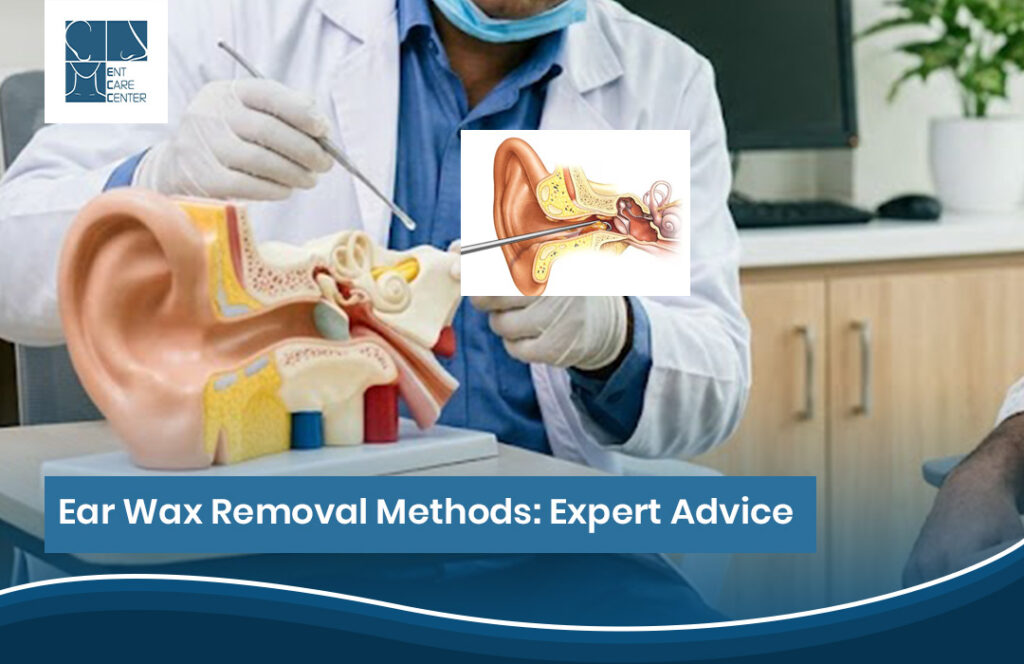
Earwax, though often seen as something to remove quickly, plays a vital protective role in ear health. In Dhaka’s humid and dusty environment, many people experience faster earwax buildup, leading to discomfort or temporary hearing issues. Understanding safe and effective ear wax removal methods is essential to avoid damage while keeping your ears clean and healthy. Expert ENT specialists recommend gentle approaches and professional care when needed.
What Is Earwax and Why It’s Important for Ear Health
Earwax (cerumen) is a natural, waxy substance produced by glands in the outer ear canal. It consists of dead skin cells, hair, and secretions from sebaceous and ceruminous glands. Far from being “dirt,” earwax serves several important functions:
- Traps dust, dirt, bacteria, and small particles, preventing them from reaching the eardrum.
- Moisturizes and lubricates the delicate skin of the ear canal to prevent dryness and itching.
- Provides natural antibacterial and antifungal protection against infections.
- Helps the ear clean itself by slowly migrating outward with jaw movements (talking, chewing).
Healthy earwax is usually soft, yellowish to brown, and self-cleans without intervention. Problems arise only when it becomes excessive or impacted.
Signs You Need Ear Wax Removal
You may need ear wax removal if you notice:
- A feeling of fullness or blockage in the ear
- Muffled hearing or sudden hearing loss
- Earache or discomfort
- Itching or irritation inside the ear canal
- Ringing in the ears (tinnitus)
- Dizziness or mild balance issues
- Persistent coughing or a sensation of something in the ear
- Visible dark or hardened wax near the entrance of the ear canal
These symptoms are more common during humid seasons or after frequent use of earphones and headphones.
At-Home Ear Wax Removal Methods: Safe Practices
The safest at-home strategy is minimal intervention. The ears are largely self-cleaning, so aggressive cleaning is rarely needed. Safe home practices include:
- Gently wiping the outer ear only with a soft, damp cloth after bathing.
- Using doctor-approved ear drops to soften wax before gentle flushing.
- Avoiding any insertion of objects into the ear canal.
Always prioritize safety over speed. If symptoms persist after a few days of safe home care, seek professional help.
Over-the-Counter Ear Drops for Wax Softening
Over-the-counter ear drops are often the first and safest step for softening hardened wax:
- Carbamide peroxide drops (most common and effective)
- Mineral oil, baby oil, or almond oil
- Glycerin or saline-based solutions
How to use: Lie on your side, apply 3–5 drops into the affected ear, wait 5–10 minutes (or as directed), then gently tilt your head to drain. Use for 3–5 days maximum. These drops help break down wax so it can exit naturally or be flushed more easily. Always read instructions and consult a pharmacist if you have a history of ear surgery or perforated eardrum.
Irrigation and Flushing Techniques Explained
After softening the wax with drops, gentle irrigation can help remove it:
- Use a clean bulb syringe filled with body-temperature water (never cold or hot).
- Tilt your head over a sink, gently pull the outer ear upward and backward, and direct a slow stream of water along the canal wall (not directly at the eardrum).
- Allow water and loosened wax to flow out naturally.
- Dry the outer ear thoroughly afterward.
This method works well for many people but should be done carefully. Avoid forceful flushing, which can damage the eardrum or push wax deeper.
Manual Ear Wax Removal by an ENT Specialist
For stubborn, impacted, or deep wax, professional removal by an ENT doctor is the safest and most effective option. Specialists use advanced techniques such as:
- Micro-suction — Gentle vacuum removal under direct microscopic vision (highly precise and comfortable).
- Curettage — Using specially designed fine instruments to scoop out wax safely.
- Endoscopic removal — For better visualization in complex cases.
Professional cleaning is quick, painless when done correctly, and minimizes risks. ENT clinics in Dhaka are well-equipped for these procedures.
Risks of Using Cotton Swabs and Improper Tools
Cotton swabs (Q-tips), hairpins, matchsticks, or any pointed objects are strongly discouraged. Common risks include:
- Pushing wax deeper into the canal, worsening impaction
- Scratching or injuring the sensitive skin of the ear canal
- Perforating the eardrum, which can cause pain, infection, or hearing loss
- Introducing bacteria leading to outer ear infections (“swimmer’s ear”)
Ear candles are also unsafe and ineffective. Improper tools can turn a minor issue into a serious one requiring medical treatment.
When Ear Wax Removal Should Be Done Professionally
Seek professional ear wax removal if:
- Home methods (drops + gentle irrigation) do not improve symptoms within 5–7 days
- You have severe pain, discharge, fever, or sudden hearing loss
- You have a known perforated eardrum, ear tubes, or recent ear surgery
- Wax is very hard, impacted, or causing significant hearing blockage
- You are elderly, a child, or have narrow ear canals
Professional care is especially important for people with diabetes, weakened immunity, or recurrent ear problems.
Preventing Ear Wax Buildup Naturally
You can reduce excessive wax buildup with these habits:
- Avoid inserting anything into the ear canal
- Limit in-ear headphone use and clean earbuds regularly
- Keep ears dry after bathing or swimming (tilt head to drain water)
- Manage allergies and sinus issues to reduce inflammation
- Maintain good hydration and a balanced diet supporting healthy skin
- Use ear protection in dusty or polluted environments when necessary
Tips for Maintaining Healthy Ears After Wax Removal
After successful removal:
- Avoid cleaning the ears for at least a few weeks to let the natural process resume
- Continue gentle outer-ear wiping only
- Monitor for any returning symptoms and address them early
- Keep follow-up appointments if recommended by your ENT doctor
- Use preventive strategies daily to minimize future buildup
Proper aftercare helps the ear canal recover and maintain its protective wax layer.
Ear wax removal, when done safely and appropriately, protects your hearing and prevents unnecessary discomfort. In Dhaka’s challenging climate, being informed and cautious is the best approach.
If you experience persistent ear blockage, pain, or hearing changes, consult an experienced ENT specialist for safe, expert ear wax removal. Professional care ensures effective results with minimal risk, keeping your ears healthy for years to come.